

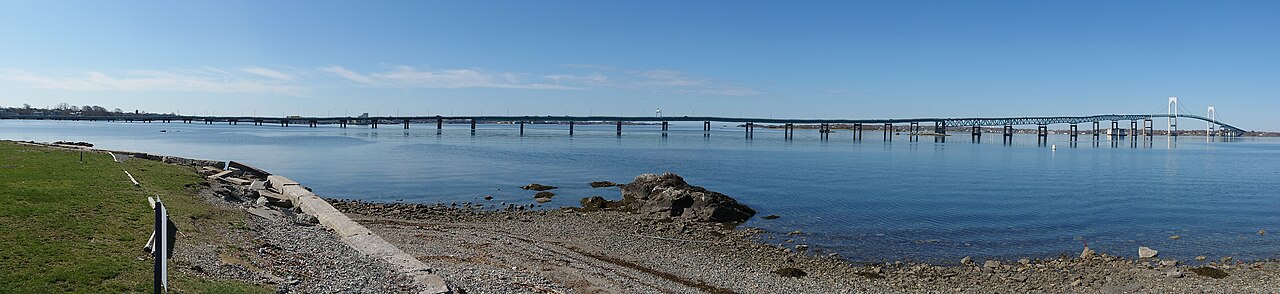

Rhode Island's emphasis on bridge reconstruction has reduced structural deficiencies while leaving a road-maintenance backlog and heavy debt costs, the Rhode Island Public Expenditure Council concluded in a September 30 report.
The policy research organization found that the RhodeWorks program, launched in 2016, reduced the number of structurally deficient bridges by nearly half. But it said the concentration of capital spending on bridges came with trade-offs for other transportation needs.
RIPEC calculated that the state spent $8.40 on capital projects for every dollar of routine maintenance between fiscal 2020 and 2024. That ratio was more than two and a half times the national average.
Rhode Island Current's coverage explained that much of the bridge improvement involved structures moving from poor to fair condition. In 2024, 66 percent of the state's bridge deck area was rated fair, the highest share nationally.
The newspaper reported that a fair rating means primary structural elements remain sound despite wear. The category therefore describes a different condition from a bridge rated good.
RIPEC recommended rebalancing maintenance and capital spending, limiting future borrowing and prioritizing resurfacing on state-maintained roads outside the interstate system. It also identified a projected $278.9 million gap in state matching funds from fiscal 2027 through 2031.
The report is an assessment of spending choices and infrastructure condition, rather than an announcement of a newly funded repair program. Its recommendations would require changes to the state's investment and financing plans.
Sources