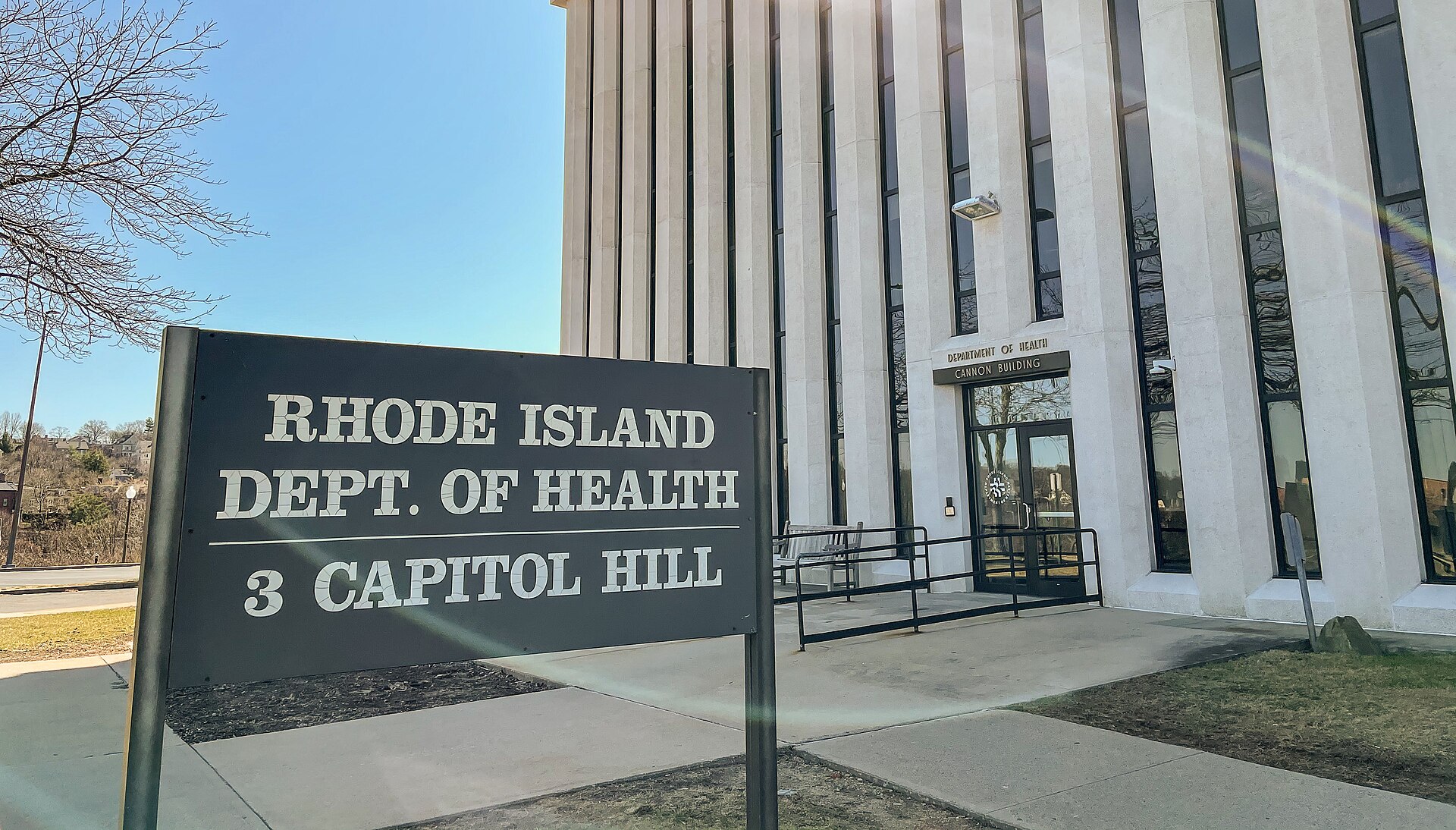
Attorney General Peter F. Neronha on Nov. 13 urged the Rhode Island Department of Health to deny, or attach conditions to, Advinia Care's purchase of three more nursing facilities. His office says the state's Health Services Council has recommended that the department approve the sale.
In a statement, Neronha said his office learned this week that the council recommended approval, despite the office's written objections. The statement describes the recommendation as unequivocal. It does not say when the council voted or when the health department will decide, and it carries no response from Advinia Care.
The attorney general's office filed a public comment letter on Nov. 2 opposing the transaction. The statement says the letter objects to the company's high level of debt and its use of related entities, which the office says divert resources from patient care. It also says the company's Rhode Island footprint has grown to encompass 11 of the approximately 75 skilled nursing facilities licensed in the state, and that the office is concerned the consolidation could create systemic financial risks that affect patient care.
If the department approves the sale, the letter asks for conditions in six categories:
Disclosure of related entities and the rent, management fees and other payments made to them in government cost reports.
A funded escrow account, performance bond or other financial security the state can reach if the operator becomes insolvent.
Limits on increases in related-party payments, with independent fair-market-value assessments and prior regulatory approval of material increases.
More frequent financial and operational reporting, and an independent monitor paid for by the company.
Limits on distributions to owners or affiliates and on additional borrowing.
Required staffing, services and quality measures, with advance notice of material operational changes.
The statement says Neronha has raised concerns for several years about ownership changes at skilled nursing facilities, including privately owned for-profit chains that load facilities with debt, separate ownership of the real estate from operations, and route resources through affiliated entities to investors. It points readers to a May 2025 Health Care Capacity Assessment by Health Management Associates, which the office says documents the state's history of nursing home closures and a higher-than-average share of for-profit chains.
The release says it will be reissued Monday, Nov. 16.