

Connecticut voters may encounter a new 250-foot security zone around election locations this fall, but the rule does not close nearby businesses, stop routine police work or change the identification requirements already set by state voting law.
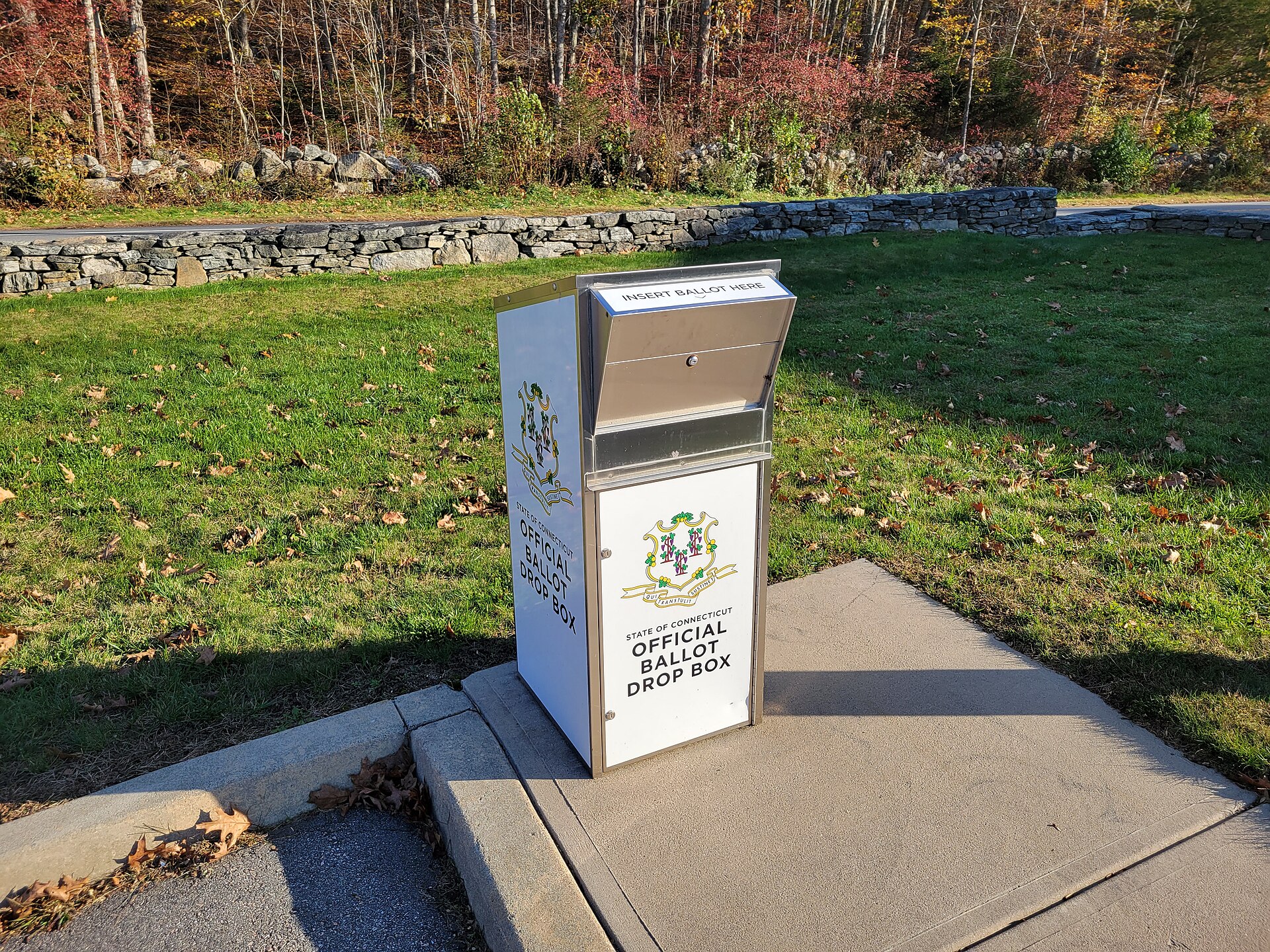
The secretary of the state has published a guide to the rule for the 2026 general election. It explains restrictions intended to prevent intimidation and interference at polling places, early-voting sites, same-day registration locations, ballot-counting sites, recount locations and absentee ballot drop boxes.
Within the zone, law enforcement and other government-authorized enforcement personnel may not try to determine whether someone is qualified to vote. No one may impose an identification demand beyond what Connecticut law requires. A private person or group cannot create its own citizenship check for people approaching a voting location.
Police can still respond to emergencies, conduct routine patrols and traffic stops, travel through the area and vote in uniform. The secretary has authorized on-duty activities that do not interfere with the election. Off-duty officers can shop, visit family or go about other personal business.
For a search, detention or arrest authorized by a judicial warrant that could affect an election site or the election, the guide describes additional safeguards, including at least 24 hours of advance notice to the secretary of the state and attorney general. Emergency action to protect life or property remains allowed.
The rule also restricts face coverings that conceal identity, with exceptions for medical needs, religious practices and reasonable weather protection. An election moderator may ask someone to remove a weather-related covering. The guide says a violation must be willful; accidentally passing through the area while covered is not the same as knowingly violating the law.
The applicable dates depend on the site. Early voting runs through Nov. 1. The protection around absentee ballot drop boxes continues through 8 p.m. Nov. 3, and Election Day polling sites are covered Nov. 3. Town halls may serve more than one election function. Officials do not have to mark or continuously patrol the entire boundary.
Voters who encounter intimidation, an unauthorized ID demand or interference can notify the election moderator or local registrars. The State Elections Enforcement Commission's line is 1-866-733-2463. Call 911 for an immediate threat to safety.