

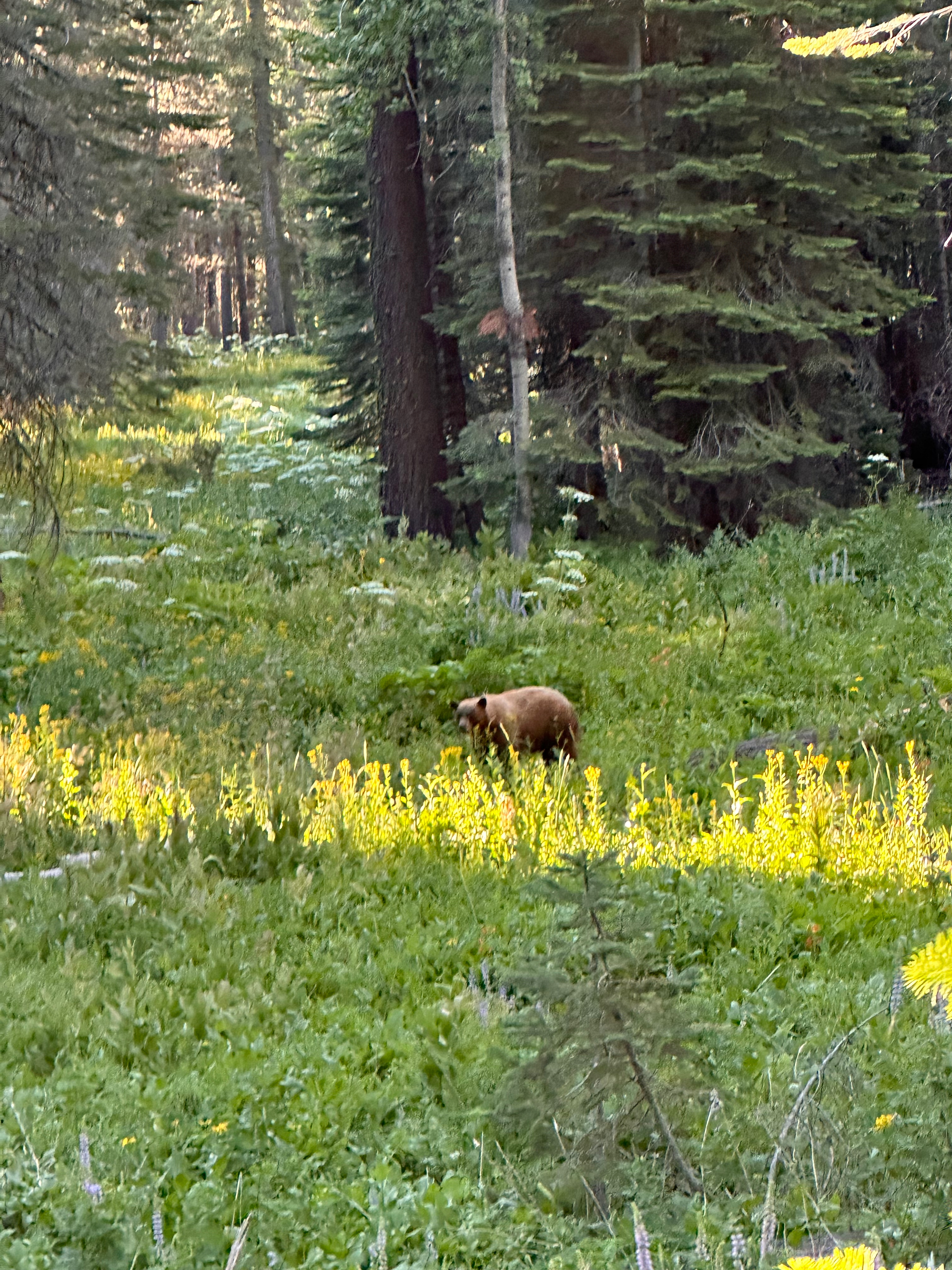
Birdseed, unsecured garbage and food left outside can turn a passing black bear into a repeat backyard visitor. Rhode Island wildlife officials advise removing those easy meals before an animal becomes accustomed to people.
The Department of Environmental Management's 2021 guide, Living Alongside Black Bears, recommends taking down bird feeders between March and November, when bears are most active, and cleaning spilled seed from the ground.
Store pet food indoors, secure livestock feed, clean grills after use and put garbage out on the morning of collection instead of leaving it outside overnight. Fallen fruit and food scraps can also attract animals.
These steps matter in fall, when bears seek food before winter. DEM's guide explains that repeated access to human food can reduce a bear's natural wariness and create problems for people and the animal.
A sighting alone does not establish that a bear is dangerous or needs to be moved. DEM advises backing away and, from a safe distance, making loud noises to encourage the bear to leave. If a bear acts aggressively toward people or pets, call the DEM Division of Law Enforcement at 401-222-3070.
For an animal that appears injured or orphaned, DEM's current wildlife guidance says to call trained staff before acting. The department lists 401-222-3070, or the Wildlife Clinic of Rhode Island at 401-294-6363, so the situation can be assessed in real time.
DEM says not to touch wildlife with bare hands. It says keeping or rehabilitating a wild animal requires a wildlife rehabilitator license. Its wildlife page provides species guides and a reporting link.