

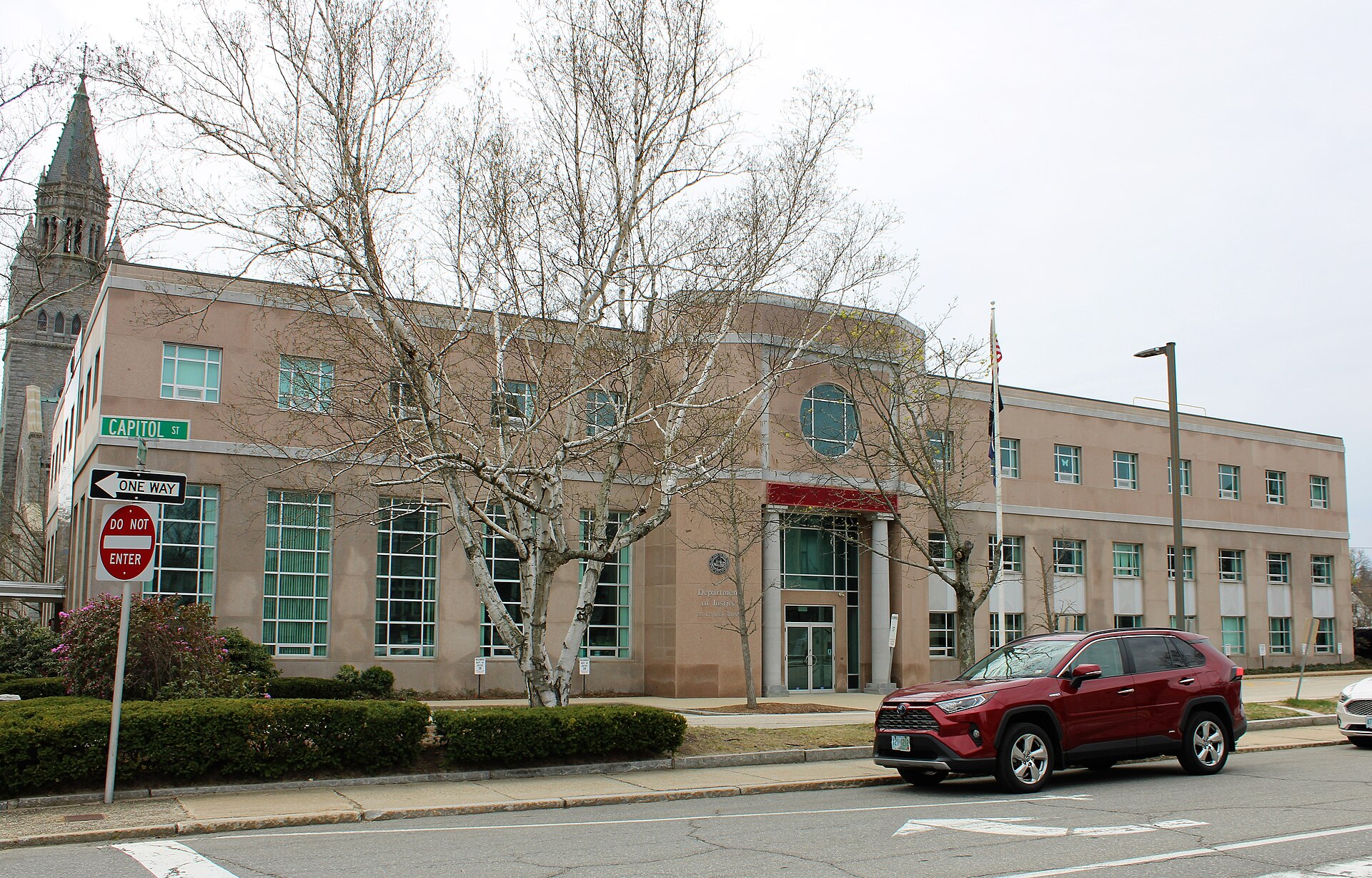
New Hampshire Attorney General John M. Formella joined 48 other attorneys general in asking the Federal Communications Commission to review every filing in its Robocall Mitigation Database before a phone provider appears in it. The reply comments, dated Nov. 9, 2026, argue that the database should vet every filing before a provider is listed. New Hampshire's release says bad actors can currently "enter and stay in the database with minimal effort and limited impediments."
The 49 signers include the attorneys general of the District of Columbia, American Samoa and the U.S. Virgin Islands.
The database matters because of who it lets through. Voice service providers must file with it before they can route calls, and other providers may accept calls only from companies listed in it. The comments, citing the FCC's own notice, say more than 11,000 providers appear in it, and that limiting a provider to accepting calls from that many others is "barely a niggling obstacle, if that."
The order of review
The coalition's central request is about sequence. As the attorneys general read the FCC's own notice, a filing can appear in the database before it has been accepted and published, and FCC staff do not routinely reject or hold filings that look non-compliant. They want vetting finished first, because once a provider is listed it can "immediately begin sending call traffic" across the network.
Removal is slow, they add: it can take "many months" after a provider is found to have engaged in illegal conduct or broken FCC rules. As an example of what review might catch, the comments say a recent look at the database found 61 providers listing the same suite at 30 N. Gould St. in Sheridan, Wyoming, as their business address, and only two of them describe themselves as foreign providers.
Other requests
The FCC proposed that filers show evidence of financial solvency, such as a letter of credit. The attorneys general support that for all filers, new or long-standing, but say a fixed letter-of-credit amount may not cover the civil penalties the FCC could seek. They suggest the FCC consider a surety bond.
They also ask the FCC to keep records of removed providers public, to require providers to certify that they will answer traceback requests within 24 hours, and to hold providers responsible for filings made on their behalf. Law enforcement and other providers could use the historical records, the comments say.
The comments respond to a further notice of proposed rulemaking the FCC adopted July 22, 2026, in WC Docket No. 24-213. Neither the release nor the filing gives a date for an FCC decision, and the FCC's response is not part of the record reviewed. The attorneys general ask for the proposed rules to take effect as soon as possible and for current obligations to stay in place until then.
Maine's attorney general is among the signers. New Hampshire residents who suspect a robocall scam can call the Consumer Protection Hotline at 1-888-468-4454 or file a complaint online with the Department of Justice.