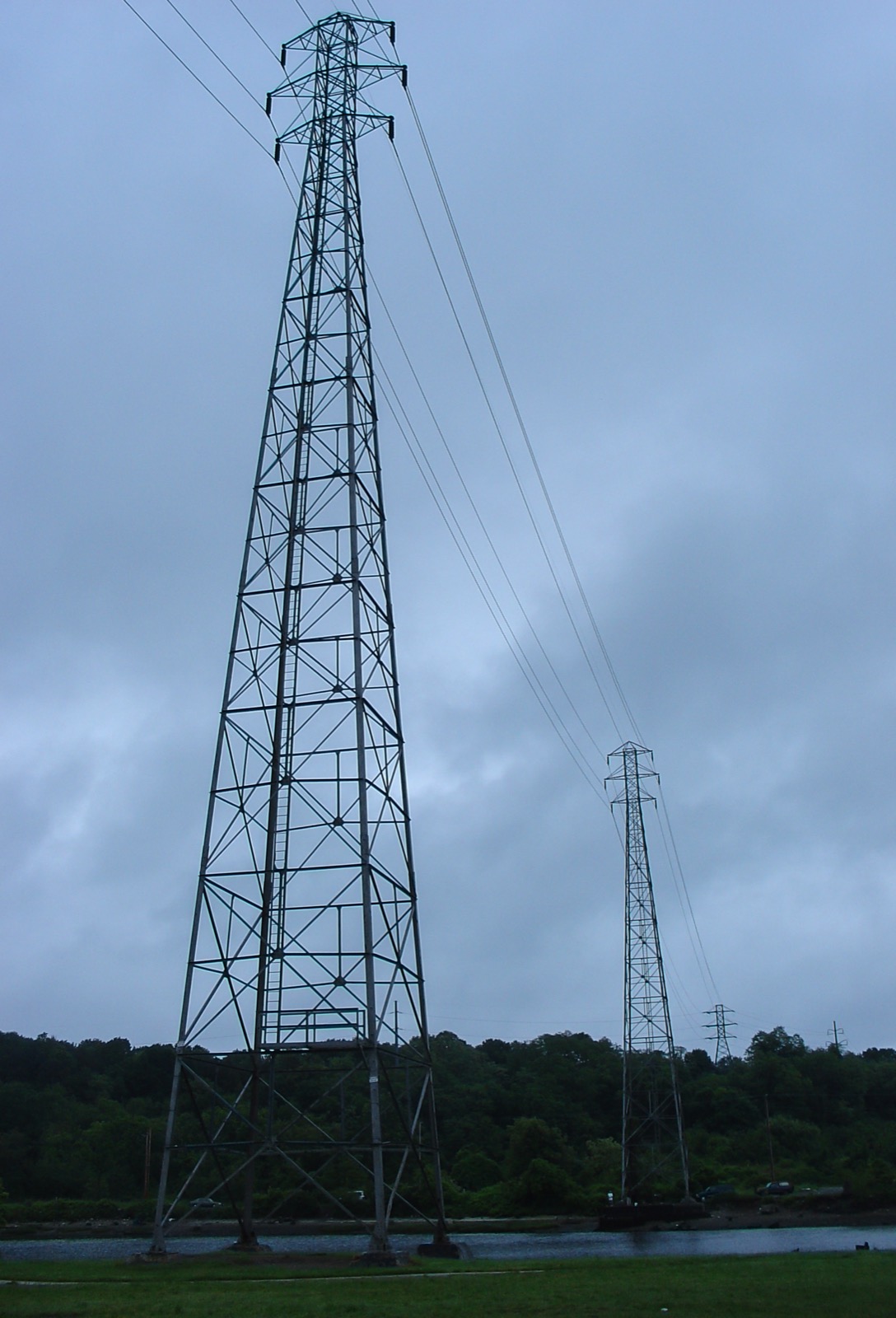
The Rhode Island Public Utilities Commission will discuss and vote Wednesday, Nov. 18, on Rhode Island Energy's request to reconsider its advisory opinion that the company had not shown a need for a new 115-kilovolt transmission line to the Nasonville Substation in Burrillville, according to a notice of open meeting dated Nov. 16. The meeting starts at 11:30 a.m. in Hearing Room A at 89 Jefferson Blvd. in Warwick. The notice says the commission will not take oral public comment because the session is not a hearing.
The company, formally The Narragansett Electric Co., filed its motion for reconsideration on Aug. 28. It asks the commission to reopen the record and issue a supplemental advisory opinion, citing what it calls newly discovered evidence on reliability, expected load growth and the limits of mobile generation as a backup. The motion says that evidence comes mainly from the company's July 23 answers to the Energy Facility Siting Board and a July 22 letter from the Clear River Electric and Water District, formerly the Pascoag Utility District.
The project has three parts, according to the commission's May 12 advisory opinion: a new 115 kV line (the U170) from the Woonsocket Substation in North Smithfield to Nasonville, a rebuild of the existing B23 line between Nasonville and the West Farnum Substation, and an expansion of the Woonsocket Substation. The company filed its application with the Siting Board on March 25, 2025.
The company's argument for need rests on a planning-criteria violation. The opinion says the B23 is the only transmission line serving Nasonville, which feeds about 4,760 Rhode Island Energy customers and about 5,000 customers of the Clear River district. Losing the line would leave more than 17 megavolt-amperes of load unserved at peak, above the company's guideline of 10 megavolt-amperes.
The Division of Public Utilities and Carriers, the only other participant in the case, disagreed. Its consultant testified that a well-maintained single line would be adequate and that a second line was not cost-justified, according to the opinion. The commission voted April 29 and advised the Siting Board that the company had not met its burden of proof that the project as proposed is needed. Because of that finding, it did not address cost, the state Act on Climate or the State Energy Plan. The company's motion argues that omission leaves gaps in the record before the Siting Board.
The Division objected on Sept. 10, according to the commission's notice. It argued the evidence was or should have been known at the time of the hearing, would not have changed the result even if new, and that the commission may lack jurisdiction because the Siting Board has not asked it to revisit the opinion. The commission held a hearing Oct. 29 on whether there is newly discovered evidence that is likely to meet the standard for reconsideration.
The same agenda includes two other items: a vote on a two-year extension for Westerly's electricity aggregation plan and Rhode Island Energy's 2026 contact voltage report.