A Weston homeowner who says his West River house flooded three times cannot challenge its property valuation through a lawsuit, the Vermont Supreme Court has ruled. The justices said Paul Michalski should have filed an appeal within 30 days after the town's Board of Civil Authority treated his appeal as withdrawn.
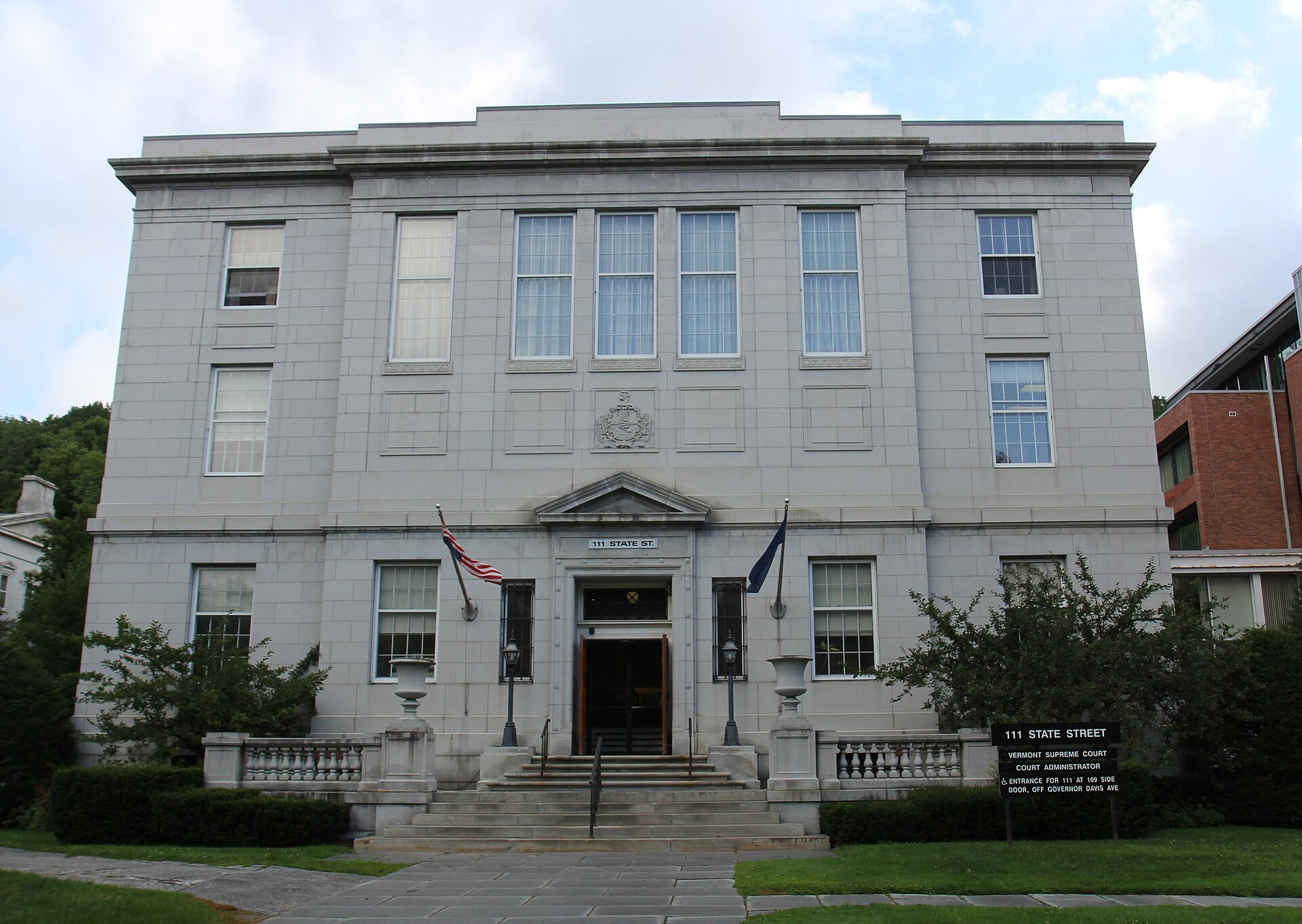
In Michalski v. Town of Weston, a three-justice panel of Chief Justice Paul Reiber and Associate Justices Nancy Waples and Christina Nolan affirmed the dismissal of his lawsuit. The legal term is that he failed to exhaust his administrative remedies, meaning he skipped the appeal steps the tax law provides. The entry order is listed in the Vermont Judiciary's opinions and decisions library with a Nov. 6 date. The order carries the court's standard note that decisions of a three-justice panel are not to be considered precedent.
How the dispute unfolded
According to the order, which accepted Michalski's allegations as true for the motion to dismiss, the flooding damaged the home inside and out. In June 2025 he asked the town listers, the officials who set property values, for a lower appraisal to reflect the lost market value. He presented evidence but declined to let them inspect the home, and they made no adjustment.
On July 18, 2025, he appealed to the Board of Civil Authority, which held a hearing. He again refused an inspection, and the board deemed his appeal withdrawn, as 32 V.S.A. section 4404(c)(1) provides. In September 2025 he complained to the state Division of Property Valuation and Review. Its director replied that she had no authority to act outside the appeals process, and he declined to convert the complaint into an appeal, which would have allowed an inspection.
On Dec. 1, 2025, he sued the town in Windsor Unit Civil Division. He asked for a declaration that the town violated its duties and an order reopening the grievance and appraising the property without an inspection. He also argued that requiring an inspection violated Articles 9 and 11 of the Vermont Constitution.
Why the court said no
The Supreme Court said a taxpayer aggrieved by a Board of Civil Authority decision can appeal to the property valuation director or the superior court by filing a notice within 30 days. Michalski argued that no appeal was available because the board never decided the merits. The court disagreed: the statute does not require a merits decision, and the board's treatment of his appeal as withdrawn could itself be appealed.
The court also rejected the argument that the Declaratory Judgment Act offers a parallel route, citing a 1974 ruling that declaratory proceedings cannot substitute for an available review process. It said his claims about the listers' process were really challenges to his property's valuation. On his broader challenge to the inspection policy, it said he had not shown an actual injury giving him standing.
Because the exhaustion ruling resolved the case, the court did not reach the town's argument that the complaint failed to state a claim. The order also does not say what the property is worth or whether flooding reduced its value. It records no statement from the town beyond its arguments in the case.