

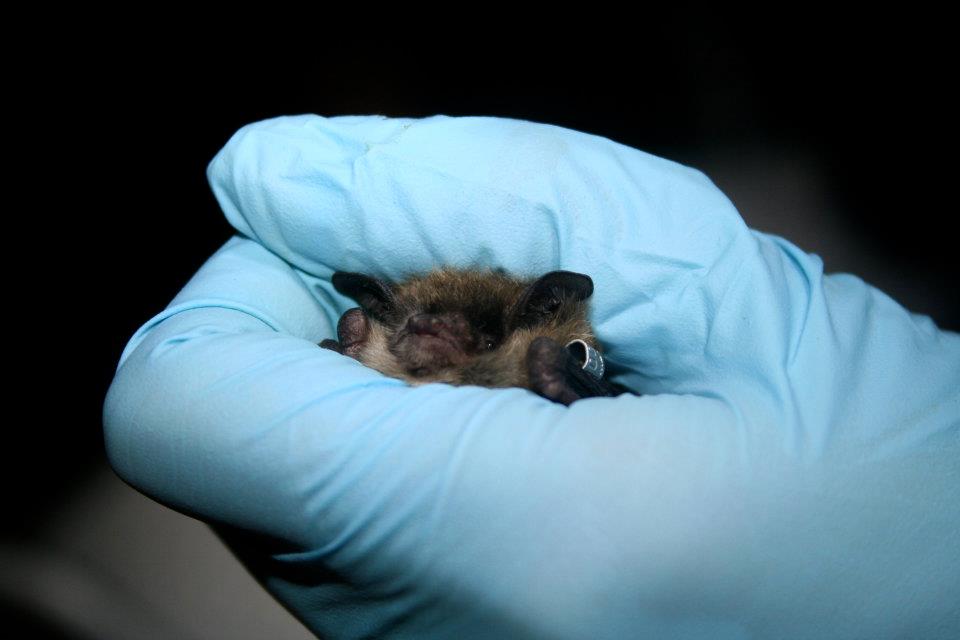

Connecticut wildlife officials are asking residents to protect bat roosts and report bats seen outdoors in winter as the state marks International Bat Week from Oct. 24 through Oct. 31.
The Department of Energy and Environmental Protection says white-nose syndrome, a disease caused by an invasive fungus, has sharply reduced several bat populations. The disease can wake bats during hibernation, when searching for food and water can expose them to fatal cold.
Five of the six Connecticut bat species most affected by the disease are listed as endangered under state law. The big brown bat is the exception among those six, according to the department's Oct. 21 notice.
The agency recommends reducing pesticide use and unnecessary outdoor lighting, protecting roosting and hibernation sites, and planting native flowers that support the insects bats eat. DEEP also links to the seasonal Bats Count! camera project at White Memorial Conservation Center in Litchfield.
Winter sightings can be reported to DEEP.BatProgram@ct.gov or 860-424-3011. The department asks for the date, location and photographs when available.