

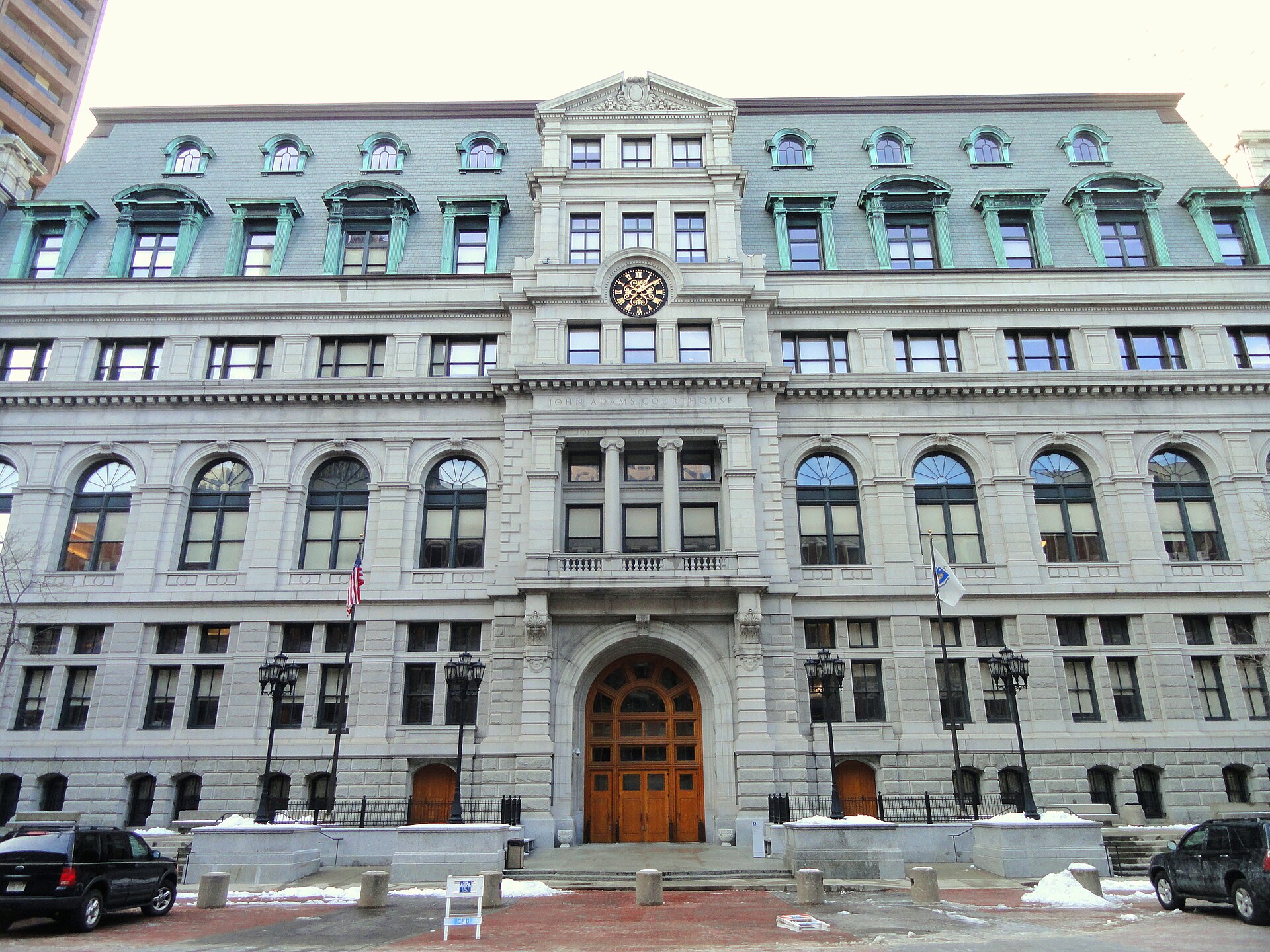

The Massachusetts Appeals Court upheld the rejection of a child-welfare social worker's religious exemption from the state's 2021 COVID-19 vaccination requirement. The court said the evidence showed that allowing Timothy Jangl to continue his in-person work unvaccinated would have imposed an undue hardship on the Department of Children and Families.
The Oct. 15 decision affirmed a judgment for DCF and the Executive Office of Health and Human Services without a trial. The ruling concerns Jangl's duties and the evidence in his case, rather than a blanket rule against religious exemptions.
Jangl served 19 families. His work included home visits, court appearances and emergency assignments. He sometimes transported a child with serious medical needs from western Massachusetts to Boston Children's Hospital and other providers, according to the opinion.
Then-Gov. Charles Baker's August 2021 executive order required vaccination for executive department employees, with limited exemptions when an employer could reasonably accommodate a sincerely held religious belief. Jangl proposed working largely remotely, wearing a mask and testing weekly. The agencies rejected that arrangement.
He resigned in October 2021 when faced with vaccination or termination, then sued under Massachusetts' anti-discrimination law. The trial judge accepted the sincerity of his religious beliefs but found that the requested arrangement would impose an undue hardship, meaning health, safety and staffing risks the agency could not reasonably accommodate.
Writing for the appeals panel, Justice Smyth said the record showed a risk to children, families and an already short-staffed agency. The state submitted medical evidence from Dr. Lawrence Madoff, a public health physician, about COVID-19 and vaccine protection. Jangl supplied no expert or other competent evidence to counter it, the court said.
Jangl argued that Madoff was not qualified to assess vaccine effectiveness and relied on studies that were outdated or conducted by other researchers. The panel upheld the use of his statement, saying his qualifications and experience supported his testimony. It said Jangl had challenged the scientific methods in a motion but had not expressly requested the special hearing required to preserve that objection for appeal. An expert may draw on studies conducted by others, the panel explained.
The panel contrasted the state's medical evidence with Jeune v. UMass Memorial Health Care System, a 2025 case in which an employer hospital had not submitted a medical expert's statement about the risks and effectiveness of the requested alternatives.