

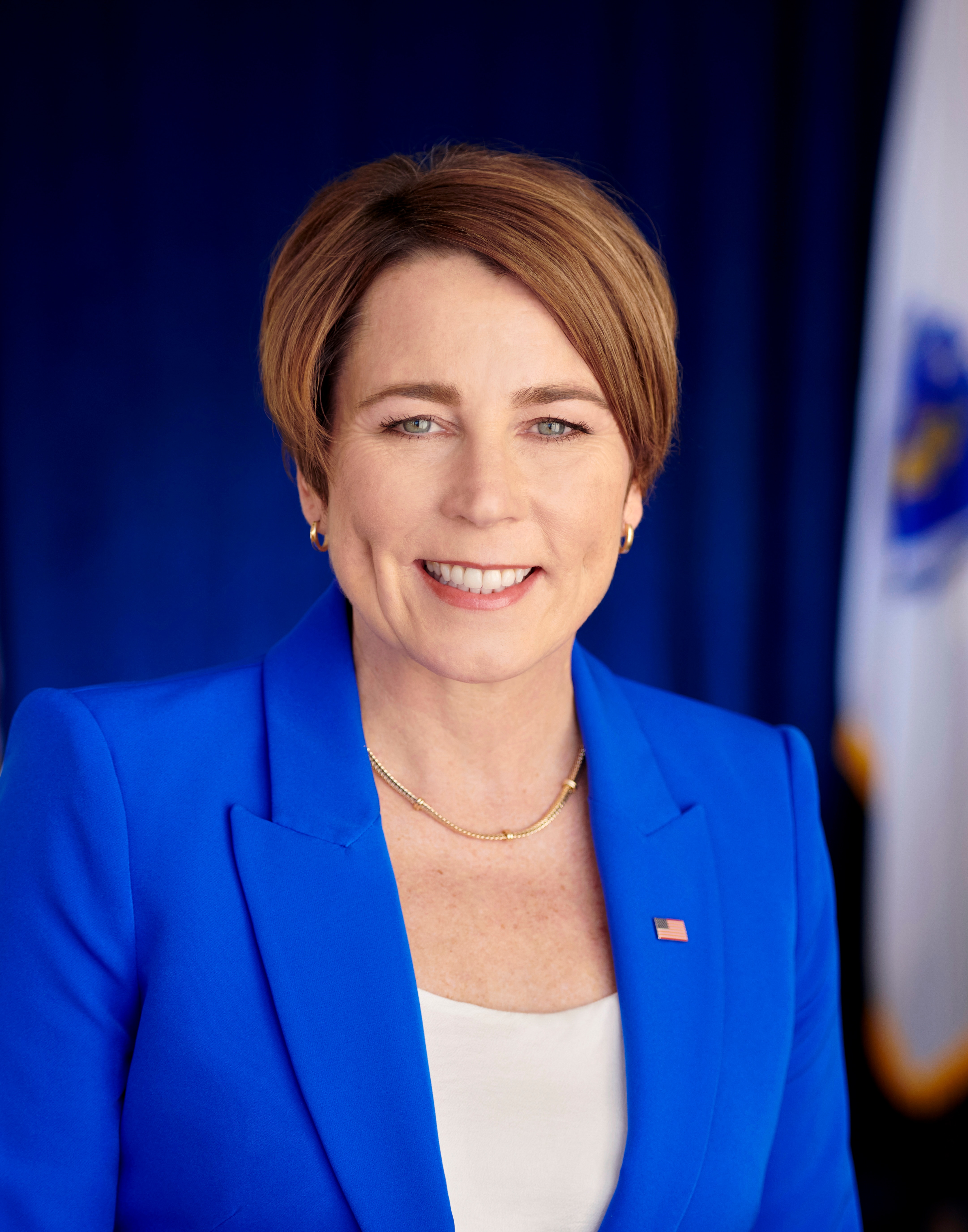

Massachusetts voters face three different approaches to housing and household costs: Maura Healey's defense of her administration's record, Mike Minogue's proposals to cut taxes and reverse state mandates, and Andrea James' calls for housing for all and universal healthcare and childcare.
The Secretary of the Commonwealth's November candidate list has three governor and lieutenant governor tickets: Healey and Driscoll, Democratic; Minogue and Oliver, Republican; and James and Kittredge, Independent. The election is Nov. 3.
Healey: the record and the next steps
Healey's campaign page points to housing investment, restrictions on renter fees, public transportation improvements and an energy affordability agenda.
The state's Affordable Homes Act summary says the law Healey signed in August 2024 authorizes $5.16 billion over five years for housing and related policy changes. An authorization permits spending; it does not establish that every dollar has been spent or that the homes have been completed.
In a separate Oct. 5 announcement, Healey proposed expanded heating assistance and temporary reductions in charges on electric bills. Her administration estimated nearly $150 million in relief. That estimate describes the announced winter package, rather than savings already received by every household. The same announcement says Healey filed legislation for a two-month suspension of the 24-cent-per-gallon state gas tax, with about $120 million in estimated relief. That was a proposal requiring legislative action.
Minogue: mandates, local control and spending
Minogue's published blueprint calls for cutting utility fees, expanding natural gas pipelines and evaluating small modular nuclear reactors, smaller reactor designs intended to be built in standardized sections. His blueprint also calls for a state gas-tax holiday when pump prices exceed $4 a gallon, with eventual elimination of the tax as a longer-term goal. He also proposes ending enforcement of the MBTA Communities Act and supporting municipalities that reject its requirements.
The MBTA Communities Act requires covered municipalities to allow multifamily housing in at least one district without a special permit. Covered towns include some adjacent to communities with transit service. Minogue's promise to stop enforcement is distinct from changing or repealing the law. His published blueprint does not explain how each step would be carried out.
His agenda also proposes state and healthcare audits, competitive contracting and a public spending dashboard. Its savings claims require an account of which spending would stop and how any reductions would finance lower taxes. His transportation proposal includes using artificial intelligence and coordinated traffic systems to reduce congestion.
James: housing and universal services
James' campaign platform calls for housing for all, universal healthcare, universal childcare and equitable education funding. She also supports banning data centers, lowering utility costs and pursuing green energy.
Her published agenda does not supply a complete financing or implementation schedule for those universal programs.
Compare the mechanism and the household result
The candidates' energy proposals involve different choices about supply, public programs and climate requirements. Housing policy also includes decisions about zoning, infrastructure and public subsidies.
Six State Signal requested candidate interviews on Oct. 15 and asked for responses by noon Eastern on Oct. 19. This comparison will be updated as verified answers and supporting records become available.