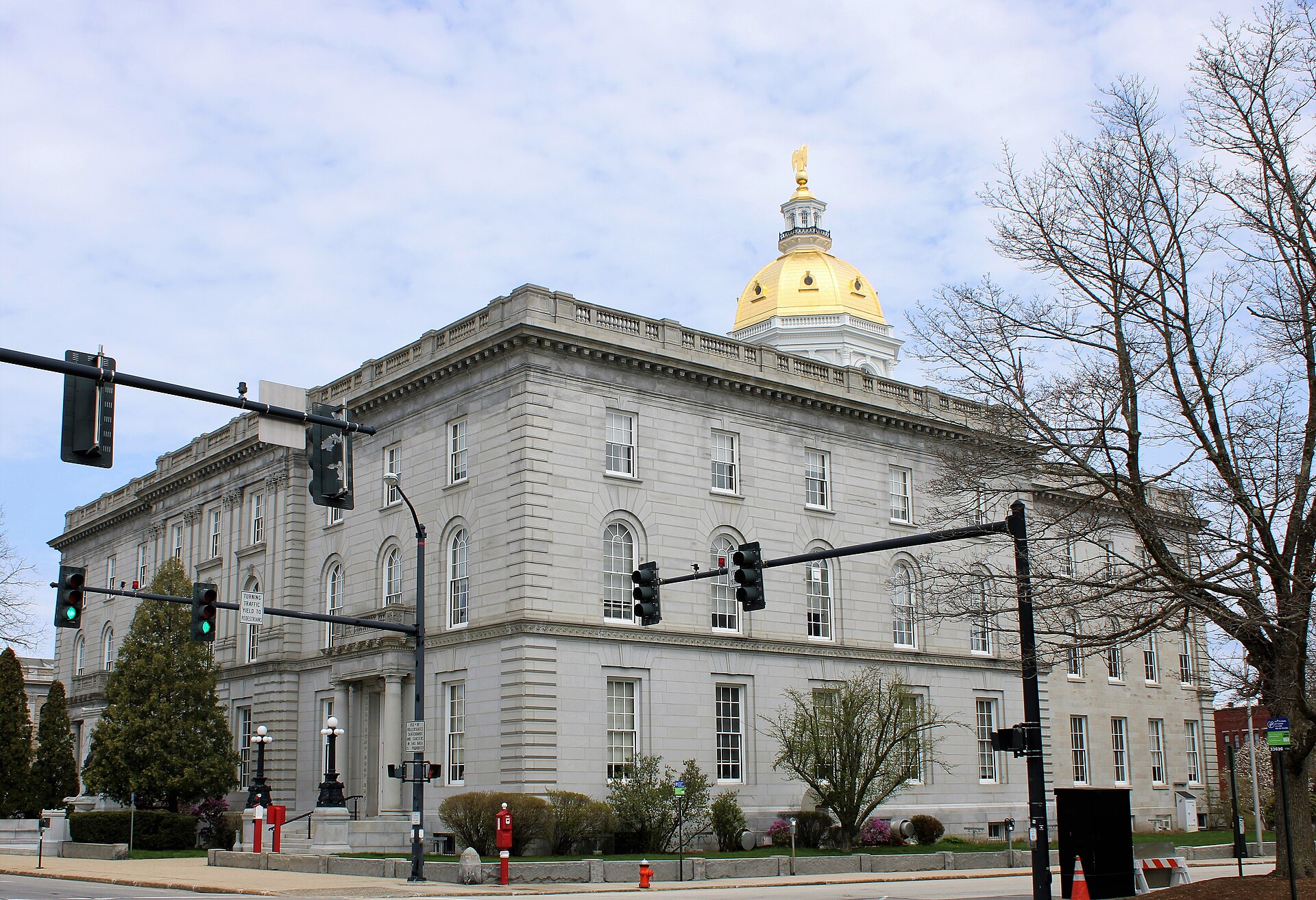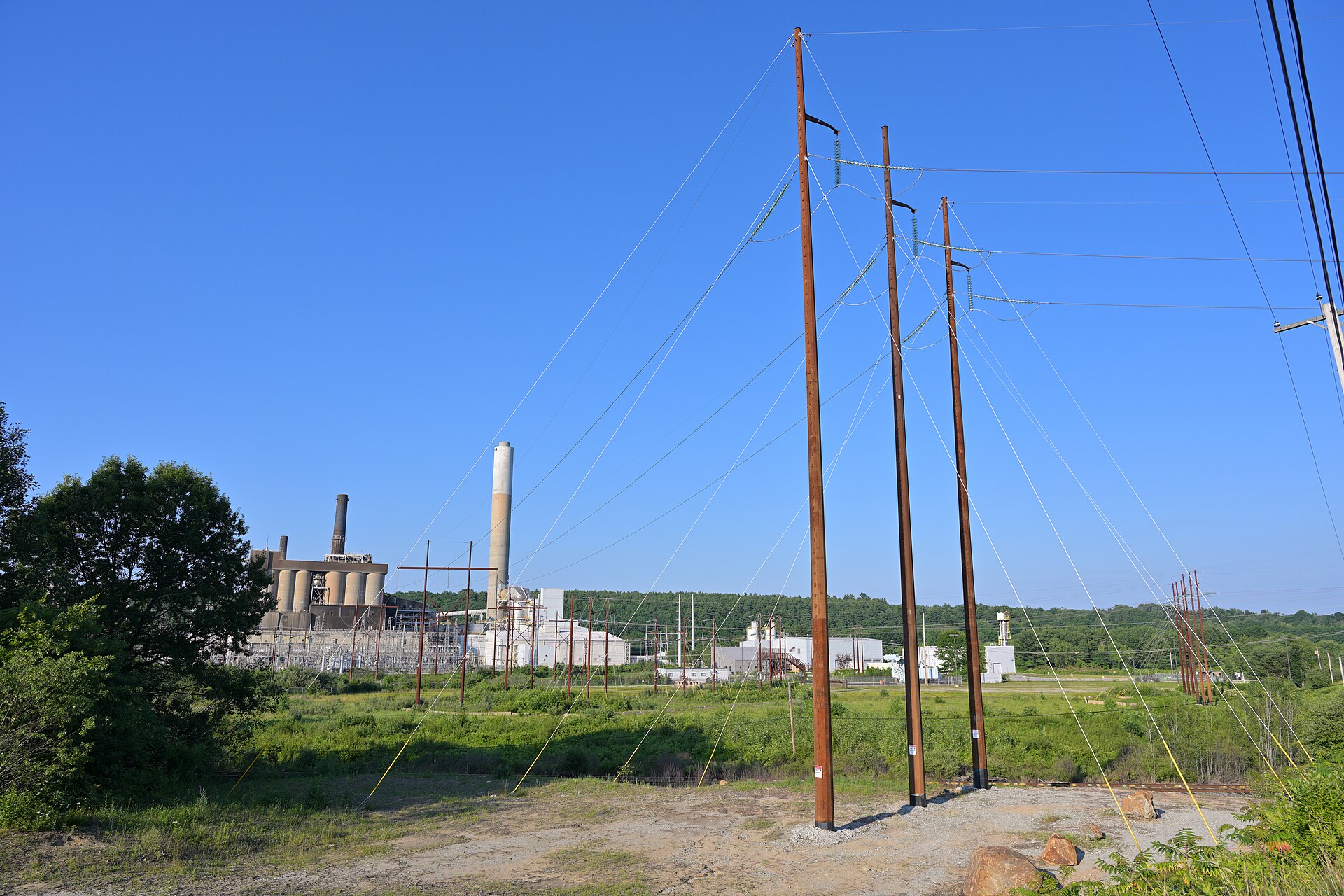
Eversource's first Integrated Distribution Plan forecasts that 31 New Hampshire substations will need more capacity by 2034. The Public Utilities Commission will hold a prehearing conference on the plan Nov. 20 at 1 p.m., with three hours set aside, and must approve, reject or modify it by Aug. 31, 2027.
State law, as the Commission's notice describes it, requires each electric utility to file a plan covering a 10-year demand forecast, the distribution infrastructure needed for reliability and resilience, and alternatives to new wires. The Department of Energy set a staggered schedule, and Eversource was first, with a Sept. 1 deadline. In its petition, Eversource says "the IDP is only a planning document: there are no proposals contained within the Plan," so approval would have no financial impact on customers.
The plan projects total New Hampshire load growth of 270 megawatts over 10 years, of which 18 megawatts comes from individual large developments. It says 33 megawatts of solar interconnection applications are in the queue and 142 megawatts of solar has been installed since 2022. By 2034, the plan forecasts that six substations will exceed only their normal thermal rating, 11 will exceed only their emergency rating if major equipment is out of service, and 14 will exceed both. The plan says a bulk substation should not be loaded above 75 percent of its normal rating under normal conditions or above 100 percent of its emergency rating under emergency conditions.
The plan says its capacity and reliability projects collectively add more than 900 megawatts of transformer capacity, "an increase of 25%" over a current installed base of 3,800 megawatts. It also says many large substation transformers, switchgear and breakers have outlived their expected service lives. On solar, it says six substations are at risk of stalled interconnection queues. Five group studies covering 79 megawatts of solar have been proposed or are under way, and the plan says the resulting upgrades would add 74 megawatts of solar hosting capacity and about 35 megawatts for load growth.
The plan also says Eversource is planning to develop a standalone local grid services program with its own funding mechanism that would compensate customer-owned energy resources for services such as managing capacity and voltage constraints.
The Commission granted intervention on Oct. 7 to the Conservation Law Foundation, the Community Power Coalition of New Hampshire and Clean Energy New Hampshire, while reserving the right to limit their participation. The Department of Energy and the Office of the Consumer Advocate are also on the docket. The Commission's order of notice went to a service list that did not include Eversource, and in an Oct. 12 order it excused Eversource's missed deadlines and set Oct. 30 as the new deadline for petitions to intervene and Nov. 9 for objections. The docket's latest entry is dated Oct. 12. The conference was moved from Oct. 13 by an Oct. 7 order. Hearings will be held in person, with remote participation allowed only by approved request, according to the Commission's notice.