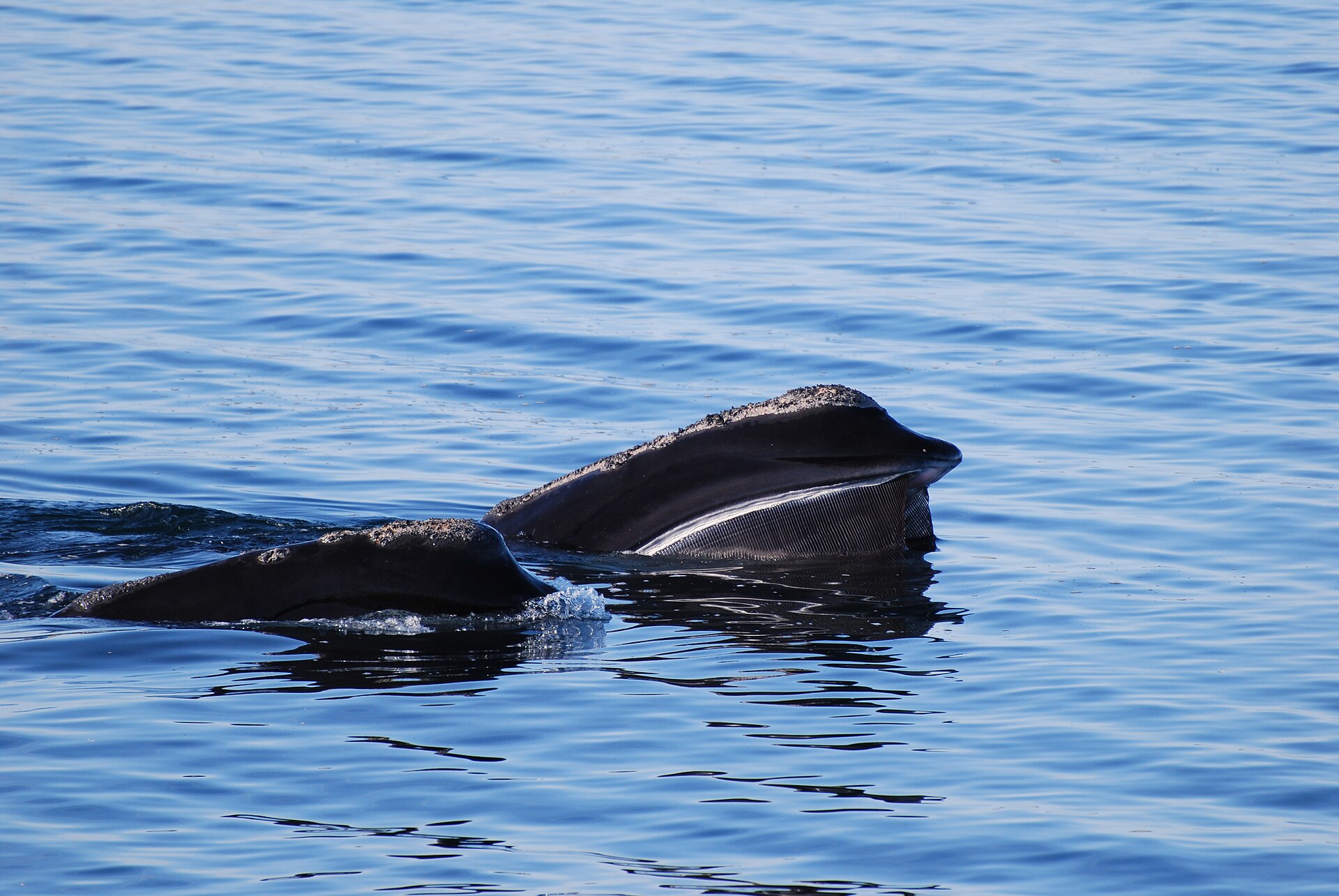
NOAA Fisheries said Nov. 5 that, based on a preliminary review, it expects its estimate of right whale deaths and serious injuries from U.S. commercial fixed-gear fisheries to be substantially lower than it estimated in 2022. It is postponing the December in-person meeting of the Atlantic Large Whale Take Reduction Team until March 2027 while the new science is peer reviewed.
Maine Marine Resources Commissioner Carl Wilson called it good news for Maine's fixed-gear fisheries, including lobster, in a statement posted Monday, Nov. 9 by the Department of Marine Resources. The team includes fishermen, scientists, conservationists and state and federal officials, according to NOAA's team page.
What NOAA said
In its Nov. 5 bulletin, NOAA listed three pieces of science still being finalized or reviewed. A new method for assigning entanglements by country indicates that the U.S. share is around 25 percent, less than previously estimated; NOAA says that result is in peer review and could change. A population model may justify adjusting a factor used to calculate Potential Biological Removal. And the 2025 population estimate and 2024-2025 mortality figures are due in mid-November.
Potential Biological Removal, or PBR, is the scientific estimate of the most human-caused deaths and serious injuries a marine mammal population can sustain each year, according to the state statement. NOAA said its estimates of deaths and serious injuries from U.S. fixed gear would fall within the range of PBR, meaning they overlap it and may end up at, slightly above or slightly below it once the process ends. NOAA also said the outcome is preliminary and depends on peer review and on no changes to the underlying data.
That wording is more hedged than the state's headline reading. Wilson wrote that the review could bring deaths and serious injuries closer to PBR, and that the new picture is "much-improved." Neither document gives the revised estimates.
What the state adds
Wilson said NOAA has not yet released updated data layers in its Decision Support Tool. He said the fisheries service has indicated in recent team webinars that overlap between fishing gear and whales off Maine is likely to be substantially lower than in 2022. He added that evidence of a growing right whale population and risk-reduction measures the fishery has already adopted contribute to the improved picture.
NOAA's recovery page puts the latest abundance estimate at about 380 whales, roughly 20 more than in 2020, with about 70 reproductively active females. It calls entanglement in fishing gear and vessel strikes primary threats and says an Unusual Mortality Event declared in 2017 is ongoing.
What changes in the schedule
A virtual information session open to the public is set for Wednesday, Dec. 2, 2026, 2:30 p.m. to 4:45 p.m., in place of the December in-person meeting. The team page shows a hold for an in-person deliberative meeting in the week of March 22, 2027, location to be announced.
NOAA says it intends to convene the team in March 2027, with a second meeting in summer 2027 if needed, and to publish a final rule by the end of 2028. It cites the Consolidated Appropriations Act of 2023, which it says calls for a final rule in effect by Dec. 31, 2028. Neither NOAA nor the state says what rule changes are under consideration.