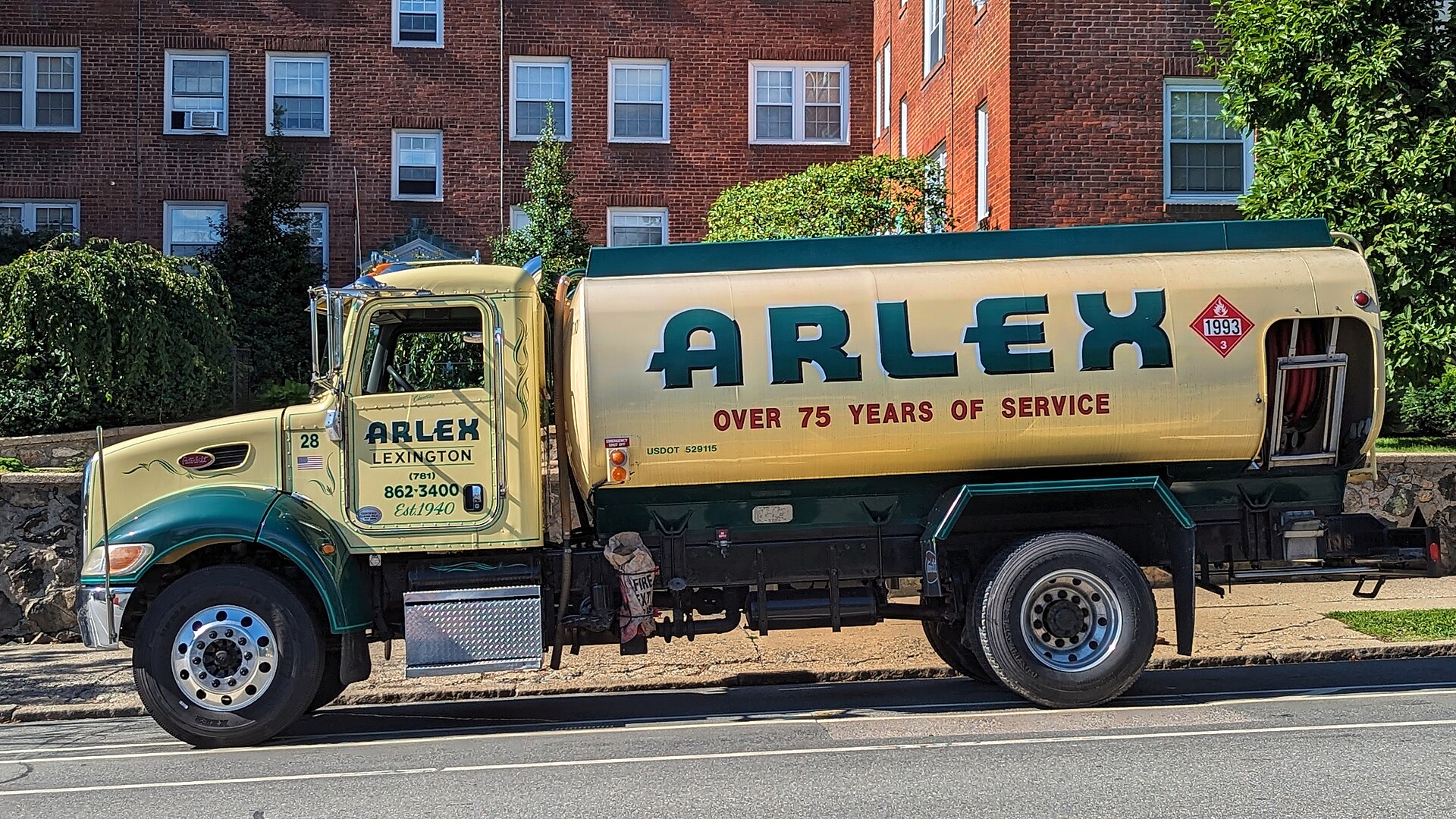
The governors of all six New England states asked Congress on Nov. 9 to add $3 billion to the federal program that helps low-income households pay for heat, citing a projected 50 percent rise in heating oil prices this winter. Connecticut Gov. Ned Lamont says more than one third of the state's households depend on deliverable oil to heat their homes.
The program is the Low-Income Home Energy Assistance Program, known as LIHEAP. The governors want total funding raised to $7 billion. That implies current funding of about $4 billion, so the request would raise it by 75 percent. They say the money could come as a larger yearly appropriation or a one-time emergency bill, and they ask for action "as soon as possible."
What the letter says is at risk
The letter is addressed to the leaders of the House and Senate appropriations committees: Tom Cole, Rosa DeLauro, Susan Collins and Patty Murray. It cites the National Energy Assistance Directors Association, which projects that heating oil prices will rise by about 50 percent and that low-income households across the Northeast could face nearly $1.1 billion in added heating oil costs.
At current funding, the governors write, higher prices will cut what each LIHEAP dollar buys and could force states to "reduce benefits or serve fewer eligible households." Lamont, Maura Healey of Massachusetts, Dan McKee of Rhode Island, Janet Mills of Maine, Kelly Ayotte of New Hampshire and Phil Scott of Vermont signed it.
Connecticut's own aid
On Oct. 13, Lamont announced the release of $12.7 million in state money from the Federal Cuts Response Fund, a reserve created in 2025, to supplement the federal dollars. The Connecticut Energy Assistance Program, which the Department of Social Services runs with nine community action agencies, expects to serve about 94,291 households this year, including 32,893 that rely on deliverable fuel. That is about 35 percent of the total.
A household qualifies with gross income at or below 60 percent of state median income, which is $93,681 for a family of four this year. Applications are open through May 31, 2027, at ct.gov/heatinghelp or through a local community action agency; callers who do not know their agency can dial 2-1-1. The state gives priority to households with someone 60 or older, a child under 6 or a person with a disability. Program-paid fuel deliveries began Nov. 2.
Neither the governor's release nor the letter says how much of the added money Connecticut would receive, and neither gives a date for a congressional response.