

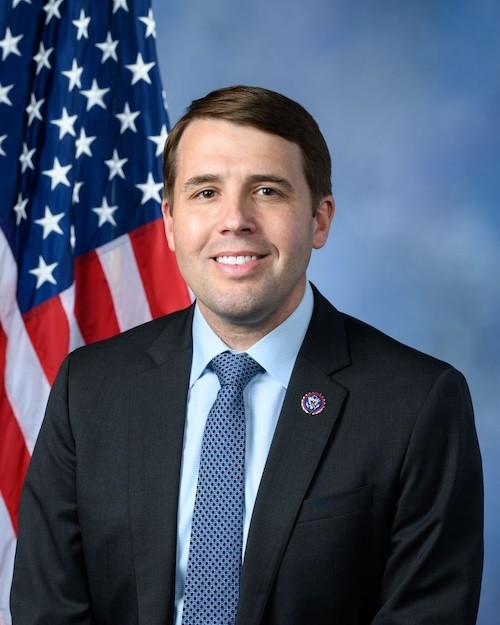

Chris Pappas proposes federal tax and spending measures aimed at household costs. John E. Sununu emphasizes opposition to middle-class tax increases and reducing inflation. Edmond Laplante argues for a smaller federal role and more decisions by states and communities.
The three candidates appear in New Hampshire's Sept. 17 general-election list: Democrat Chris Pappas, Republican John E. Sununu and Constitution Party candidate Edmond Laplante. The election is Nov. 3.
Pappas: tax relief, coverage and housing
Pappas' Tax Cuts and Lower Costs Blueprint calls for protecting home-heating assistance, retaining clean-energy tax credits and suspending the federal gas tax. It also supports strengthening the Affordable Care Act, the federal health insurance law, and protecting Medicare and Medicaid.
His housing proposals include assistance for first-time buyers, reducing barriers to construction and measures targeting large investment firms. His campaign also advocates stronger childcare support and changes to tariffs on groceries and other necessities.
A tax credit reduces a qualifying household's tax liability, while heating assistance pays part of an eligible household's costs. Suspending the federal gas tax would also require a decision about replacing transportation revenue.
Sununu: taxes, inflation and privacy
Sununu's campaign biography and agenda says he would oppose middle-class tax increases and focus on lowering housing, healthcare and energy costs. It also emphasizes limits on government surveillance and protection of personal privacy.
The campaign page does not specify the tax provisions, healthcare legislation or energy rules that would produce the promised reductions in household costs.
The candidate is former U.S. Sen. John E. Sununu. He is distinct from former New Hampshire Gov. Chris Sununu.
Laplante: state authority and a narrower federal role
Laplante's published platform calls for ending foreign aid and U.S. involvement in overseas wars, limiting federal agencies and returning power to states. He identifies veterans' healthcare as a federal responsibility while arguing that civilian healthcare, mental health and addiction services should be led by states and communities.
He also supports stronger immigration enforcement and homeschooling freedom. His critique of federal agencies reflects his interpretation of the Constitution; it is not a judicial finding about the agencies' legality.
His platform does not give a complete budget for the federal programs he would reduce or the services states would be expected to replace. Moving responsibility can change who pays as well as who decides.
The limits of a Senate promise
Senators can propose and vote on legislation, oversee agencies and vote on appointments and spending. They do not set New Hampshire's local property-tax rates or approve local housing projects. Their proposals would depend on congressional support, appropriations and the authority of federal agencies.
Six State Signal requested candidate interviews on Oct. 15 and asked for responses by noon Eastern on Oct. 19. This comparison will be updated as verified answers and supporting records become available.