

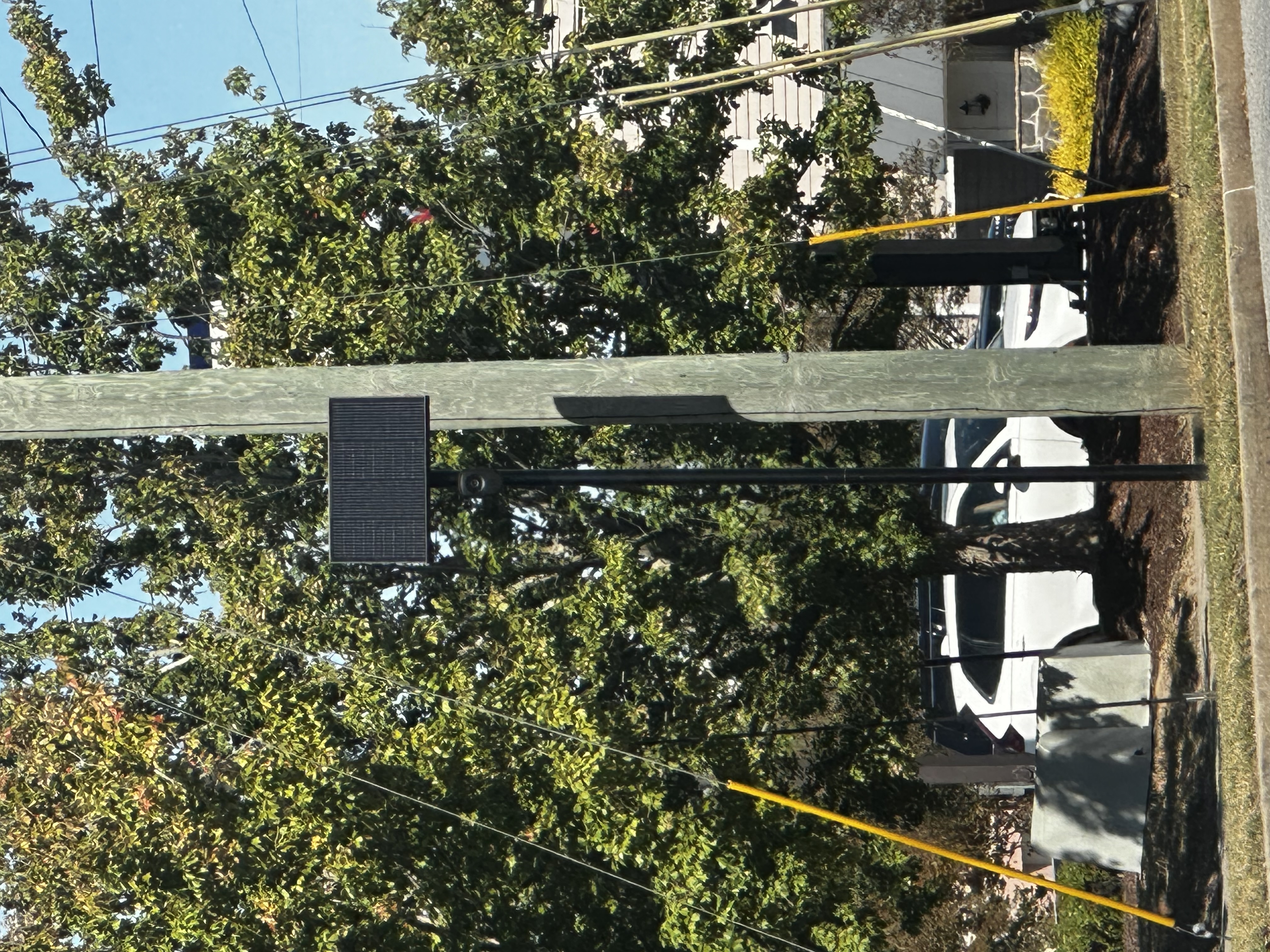

Providence has sent a proposed ban on city use of automated license-plate readers to committee, advancing a measure that would end the police department's use of Flock cameras and prohibit access to plate-reader data supplied by other agencies.
The City Council announced the referral Oct. 16. The ordinance remains a proposal, and the referral does not order cameras turned off. Its text says the prohibition would take effect upon passage.
The proposal goes beyond a decision about renewing one company's contract. It would bar city departments, employees and contractors from operating or searching automated systems that capture license plates or related vehicle-location information for investigations. That restriction would apply whether the system belonged to Providence or another public or private entity.
City funds and property could not support those uses. If enacted, the ordinance would require immediate deactivation of city systems, an end to further services under existing agreements, notice to vendors and lawful steps toward contract termination and equipment removal.
The text preserves accrued payment obligations and other contractual claims or remedies. Ending operational use therefore would not automatically erase the city's financial obligations. Exceptions cover technology used exclusively for toll collection, parking-facility access or traffic enforcement expressly authorized by state law, along with conduct required by law or court order.
Council President Rachel Miller and Councilors Sue AnderBois and Miguel Sanchez are among the sponsors listed in the official legislative record. The council's announcement says sponsors consider networked plate-reader surveillance a threat to civil liberties and object to how data can be shared and accessed.
Providence Police defend the technology in their own public explanation of the program. The department says it operates 60 cameras under its existing contract and uses stored records to develop investigative leads, along with real-time alerts for vehicles on law-enforcement watch lists.
The department says its policy prohibits immigration-enforcement use and analysis based on race or other protected characteristics. It lists 45 authorized users within the department and formal sharing agreements with nine partner law-enforcement agencies, all in Rhode Island. Those are the department's stated safeguards, rather than an independent audit of compliance.
Police also publish homicide-clearance figures: 104 of 156 homicides cleared in 2012-21, compared with 35 of 42 in 2022-26. The department describes Flock as one of several investigative tools and expressly says the figures do not show that the cameras alone caused the improvement.
Gov. Dan McKee took a narrower approach Aug. 18, calling for a pause in new installations and ordering a 60-day review of privacy and data-use standards. His announcement urged municipalities to pause new cameras during that review. A pause on expansion differs from Providence's proposed end to city use.
For broader context, The Dispute Index's license-plate surveillance issue tracker links named officials' and candidates' statements to their sources and distinguishes proposals to ban cameras from pauses, warrant requirements and restrictions on data use. Readers can use it to compare the specific remedies being proposed rather than treating every criticism of Flock as a call for the same policy.
The City Council says its next full meeting is Nov. 5. The proposed prohibition remains pending before the council.
Sources: Official ordinance text and sponsors; City Council's Oct. 16 announcement; Providence Police ALPR program and safeguards; Governor's Aug. 18 review announcement; The Dispute Index license-plate surveillance issue tracker.