

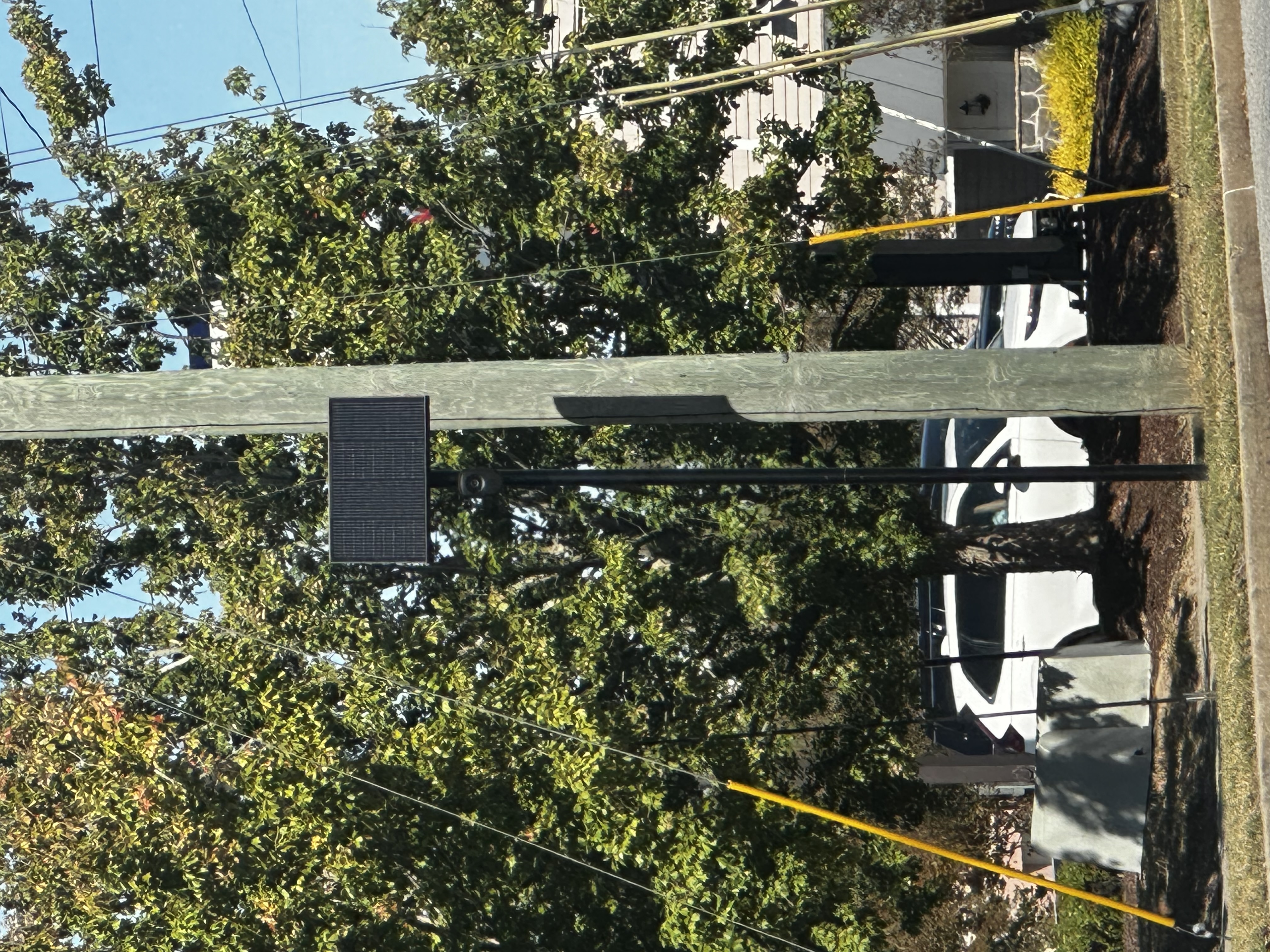
Rhode Island has released a model policy for police license-plate cameras that calls for deleting most stored data within 30 days, restricting how it can be used and requiring departments to publish information about their systems.
The McKee administration released the guidance Oct. 19 while continuing a pause on new camera installations. The administration says it intends to pursue legislation. The model itself does not establish that every local department has adopted its terms.
Automatic license-plate readers capture vehicle plates with a time and location, allowing police to compare them with lists of vehicles they are seeking and search past sightings.
The model prohibits using the system for civil immigration enforcement and certain other purposes, including investigating conduct that is not a crime in Rhode Island. Searches would have to include a case or incident number and a reason.
Data would be deleted no later than 30 days after collection unless preserved for an investigation. The policy calls for quarterly audits and a public portal listing camera counts, organizations with access, total plate reads and searches.
A separate sharing-agreement template sets conditions for another agency to receive data. It contains exceptions for prosecutors and court orders, among other circumstances; the documents do not support a promise that information could never reach another authority.
The state's announcement and templates establish proposed standards. Whether a particular department is following them requires checking that department's adopted policy and agreements.
Sources: Governor's policy announcement; Full model police policy; Data-sharing agreement template.