The Vermont Department of Public Service told state regulators on Oct. 16 that a consultant's analysis predicts a regional shortage of renewable energy certificates, and that Vermont should consider counting nuclear power toward its clean-energy requirements. Reply comments are due Friday, Nov. 13, in the Public Utility Commission's Case No. 26-1762-INV, which is gathering information for a report to the Legislature due Jan. 15, 2027.
Act 144 of 2026 directs the commission to examine the cost and availability of new regional renewable generating resources from 2027 through 2035 and to send its report to the House Committees on Environment and on Energy and Digital Infrastructure and the Senate Committees on Finance and on Natural Resources and Energy. The commission's Sept. 1 order asked retail electricity providers, developers, regional grid operators, consumer advocates and the public for comments on projected price and supply under the Vermont Renewable Energy Standard. The investigation is not a contested case.
What the department says
The department filed a consultant analysis, Exhibit DPS-1, that, it says, predicts regional shortages of both high-value and lower-value renewable certificates. A shortage would push the cost of meeting renewable obligations toward the alternative compliance payment, the fee a utility can pay instead of buying certificates. Vermont's payment, which the department puts at $45.38 in 2027, is higher than other states', so Vermont utilities could pay a premium: a developer could sell a certificate to a Massachusetts provider for $40 or to a Vermont utility for more.
The department attributes part of the squeeze to federal policy, including the cancellation and buyout of federal offshore wind leases, the expiration of a production tax credit for new renewables and tariffs, and says demand is expected to grow with electrification. It says the benefits of most of the regional projects it lists, if they are contracted and built, often begin in the mid-to-late 2030s, so they would not ease a short-term or mid-term shortage.
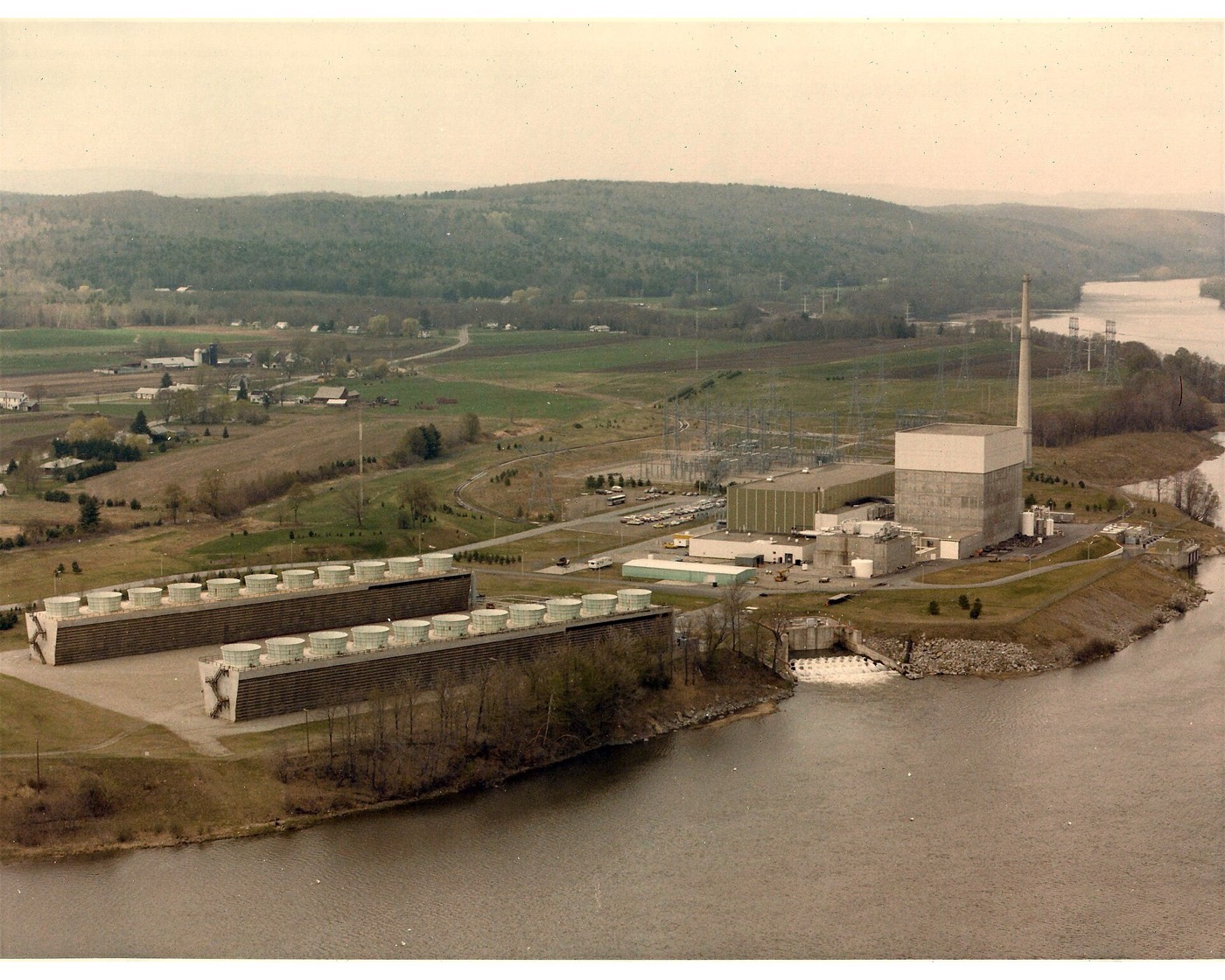
The department says Vermont is the only New England state that does not recognize nuclear power as an eligible resource. It says that from at least 2030 to 2035 Vermont has entitlements to nuclear output equal to about 20% of forecast demand, but that from 2030 the standard requires utilities to buy certificates to "cover up" that supply, at a cost it puts at approximately $5 million to $6 million a year, conservatively. It says the purchases have no effect on emissions as measured by the state greenhouse gas inventory. A footnote says the department expects to propose statutory changes in 2027, and the department says it would welcome a commission workshop to discuss the comments.
What utilities filed
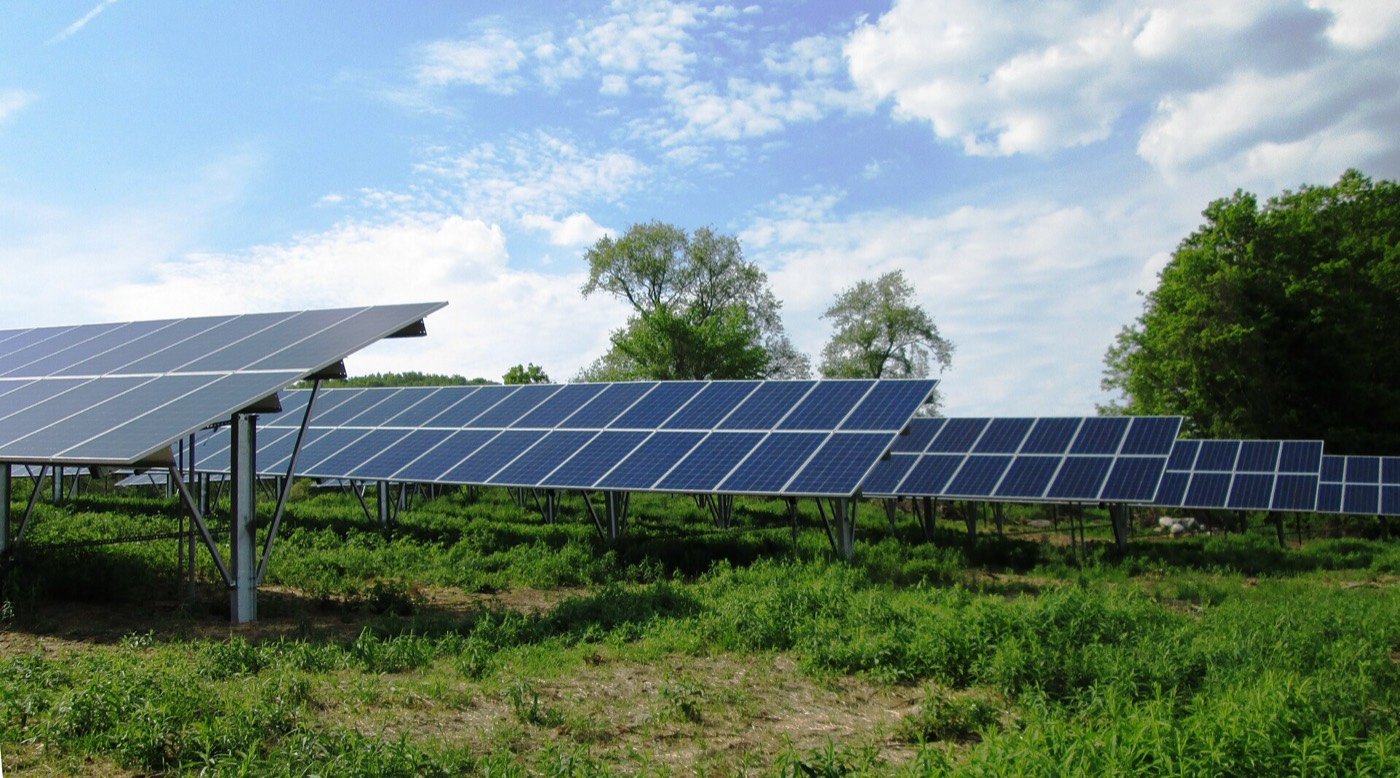
The Vermont Public Power Supply Authority, joined by Washington Electric Cooperative, said Tier II, the in-state distributed generation category that relies heavily on solar, has seen no new projects proposed to it since tariffs took effect, and that conversations with developers suggest solar development has stagnated. It said Tier II certificate prices have recently been around $35 to $40. It asked the state to expand eligible resources and simplify the tier structure.
Vermont Electric Cooperative wrote that offshore wind power prices it once saw in the range of $80 to $100 per megawatt-hour are now in the range of $140 to $180, and that it is not in any viable offshore wind talks. It said regional nuclear serves about 17.5% of its load and asked the commission to include sensitivity cases for clean-energy standards that count nuclear and large hydroelectric power.
Burlington Electric Department, Green Mountain Power, Washington Electric Cooperative, Stowe Electric Department and the Vermont Law and Graduate School Energy Clinic also filed on Oct. 16, and Renewable Energy Vermont filed a public comment, according to the case's register of actions.