A Vermont Superior Court judge ruled Nov. 3 that Exxon Mobil Corp. must produce, within 60 days, discovery materials it produced in the Massachusetts attorney general's climate-deception lawsuit, and refused to pause Vermont's case while the U.S. Supreme Court considers a Boulder County climate case.
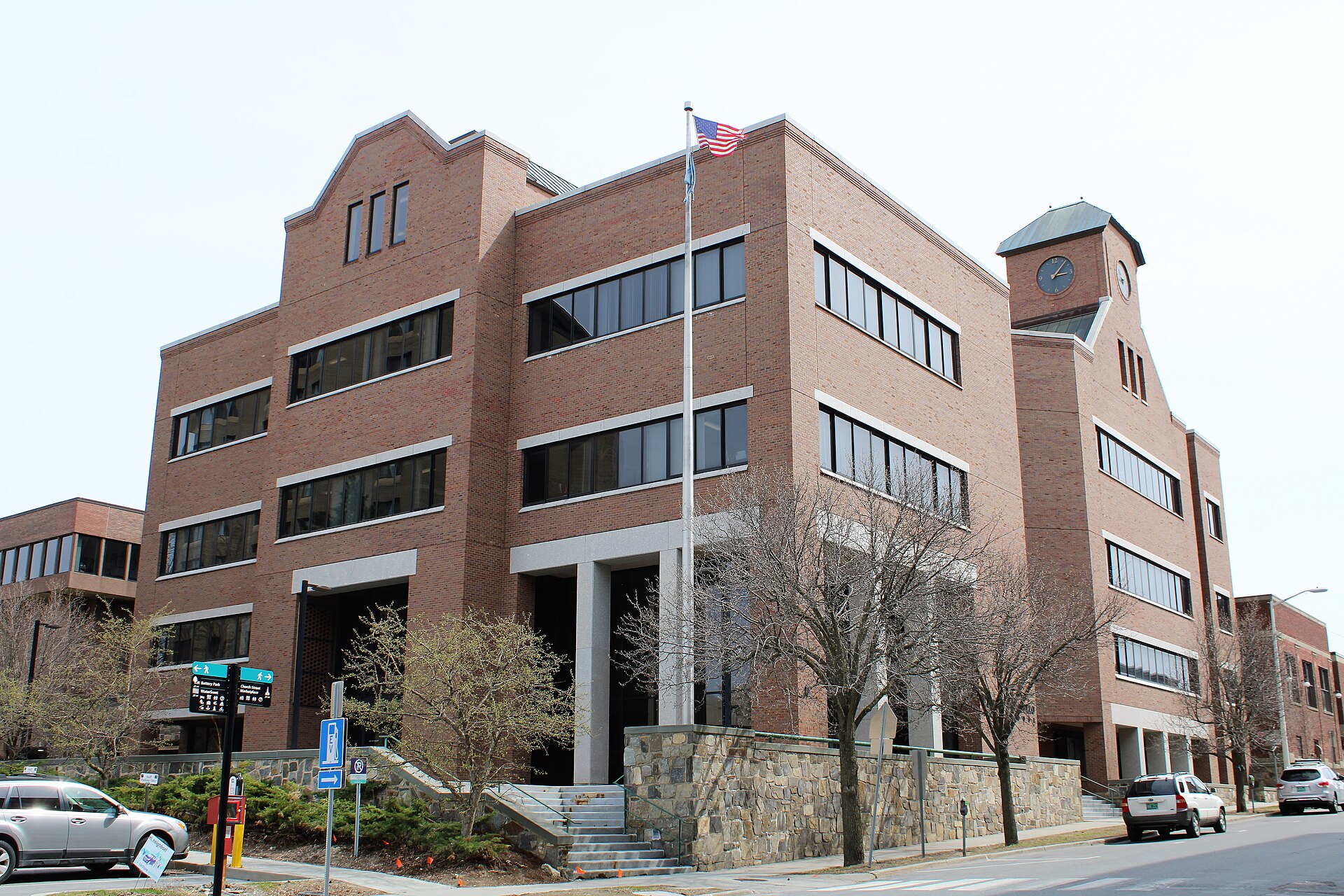
Judge Megan J. Shafritz of the Chittenden Unit's Civil Division signed the decision on Nov. 3 in State of Vermont v. Exxon Mobil Corporation et al., No. 21-CV-2778. It was filed Nov. 4 and appears on the Vermont Judiciary's decisions page with a Nov. 10 date.
The ruling grants the State's motion to compel. The State asked Exxon to re-produce its document production, deposition transcripts and exhibits, and written discovery responses from the Massachusetts attorney general's case against the company. The court wrote that, like Vermont's case, Massachusetts alleges Exxon deceived consumers about the environmental benefits of certain fuel products, failed to disclose climate risks and ran greenwashing campaigns under state consumer-protection law. Massachusetts also alleges deception of investors.
Exxon argued the claims are not identical, that the motion was premature because it had agreed to produce relevant Massachusetts documents, and that reproduction would be burdensome. The court did not decide whether the "cloned discovery" doctrine applies in Vermont. It held the Massachusetts materials are relevant and proportional under Vermont's general discovery rule, citing a May 22, 2026 District of Columbia Superior Court ruling it called "particularly on point and persuasive." The judge wrote that as of Aug. 14 Exxon had produced about 127,000 documents, and the State contends more than 4 million were produced in Massachusetts. The court said the burden of reviewing the documents for relevance falls on the State, not Exxon.
The court denied the defendants' request to stay the case until the U.S. Supreme Court decides Suncor Energy (U.S.A.) Inc. v. County Commissioners of Boulder County, No. 25-170. It found the issues in that case are not the same as, or dispositive of, Vermont's, and that Exxon had not shown a likelihood the decision would affect the merits or that it would suffer irreparable injury without a stay. The judge noted a stay might last "a year or more." The defendants' request for oral argument on the stay was also denied.
The judge also limited future discovery fights, citing the number and length of motions so far. Before filing a discovery motion, the parties must hold a second meeting at least two days after their first. Briefs are capped at 15 pages for a motion, 15 for an opposition and 10 for a reply.
The decision does not include a response from Exxon to the ruling, and the record read does not show whether the company will seek review.