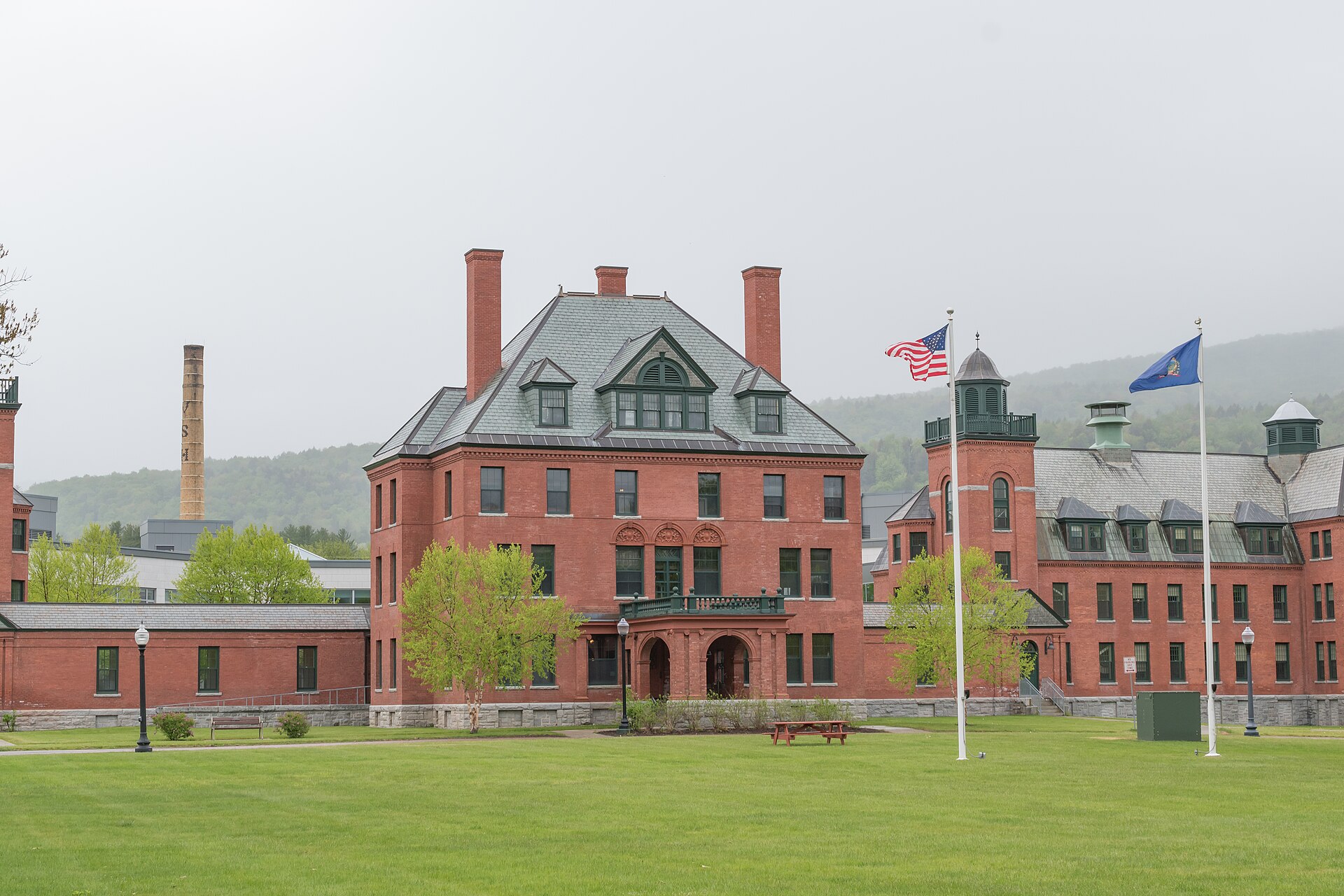
The Vermont Agency of Human Services will hold its second public meeting on draft emergency rules for an interim forensic and competency restoration program on Monday, Nov. 16, from 2 p.m. to 4:30 p.m. The meeting is in the Red Oak Conference Room at the Waterbury State Office Complex and on Microsoft Teams. Under Act 147, signed June 16, the Secretary of Human Services must adopt the rules by Dec. 31, 2026, and the program is to take effect July 1, 2027.
The agency's notice says the meeting will cover the law, the draft rules and the timeline, then take public comment of about three minutes per speaker. It will not reconsider whether the system the Legislature created should proceed. Written comments go to AHS.VDHRules@vermont.gov. The agency calls the posted draft rule a working draft and says revisions are under way. A process manual is to be released when the rules are published.
The program is for people found not competent to stand trial or not guilty by reason of insanity who meet the criteria in two state statutes, 13 V.S.A. 4815a(a) and 4819a(a). The draft says it will operate within Vermont correctional facilities, with participants housed by clinical necessity. It requires a treatment plan within 72 hours of admission, updated at least every six months, and an annual report from the AHS Medical Director to the Legislature on demographics, outcomes and staffing.
Two sections cover medication. Contracted health staff may give emergency psychotropic medication only when a person presents an immediate threat of serious physical harm and restraint alone has proved ineffective. For involuntary medication to restore competency, the Medical Director may seek approval only on clear and convincing evidence of five findings, including that the person has refused the medication and that less intrusive treatment is unlikely to work. The draft also requires prior approval from the Criminal Division of the Superior Court where the charge is pending.
Some participants could be supervised in the community by the Department of Corrections. If one violates conditions, the department reports to the Medical Director, who notifies the court and, if the director finds community placement no longer appropriate, must petition to return the person to a correctional facility. Victims who opt in would be notified of admission, release, escape, death, relevant hearings and a finding that competency was restored. Participants can use the corrections grievance process; the Medical Director decides appeals of grievances about forensic program participation, and the decision is final.
Act 147 states the Legislature's intent that the Agency of Human Services establish and operate a permanent locked forensic facility by July 1, 2029, and requires a feasibility plan for legislative committees by Jan. 15, 2027. The act says the interim program depends on sufficient resources, including staffing, and bars spending on construction or fit-up of a facility in fiscal 2027 without further legislative action. The agency's notice gives no figure for the interim program's cost or capacity.