

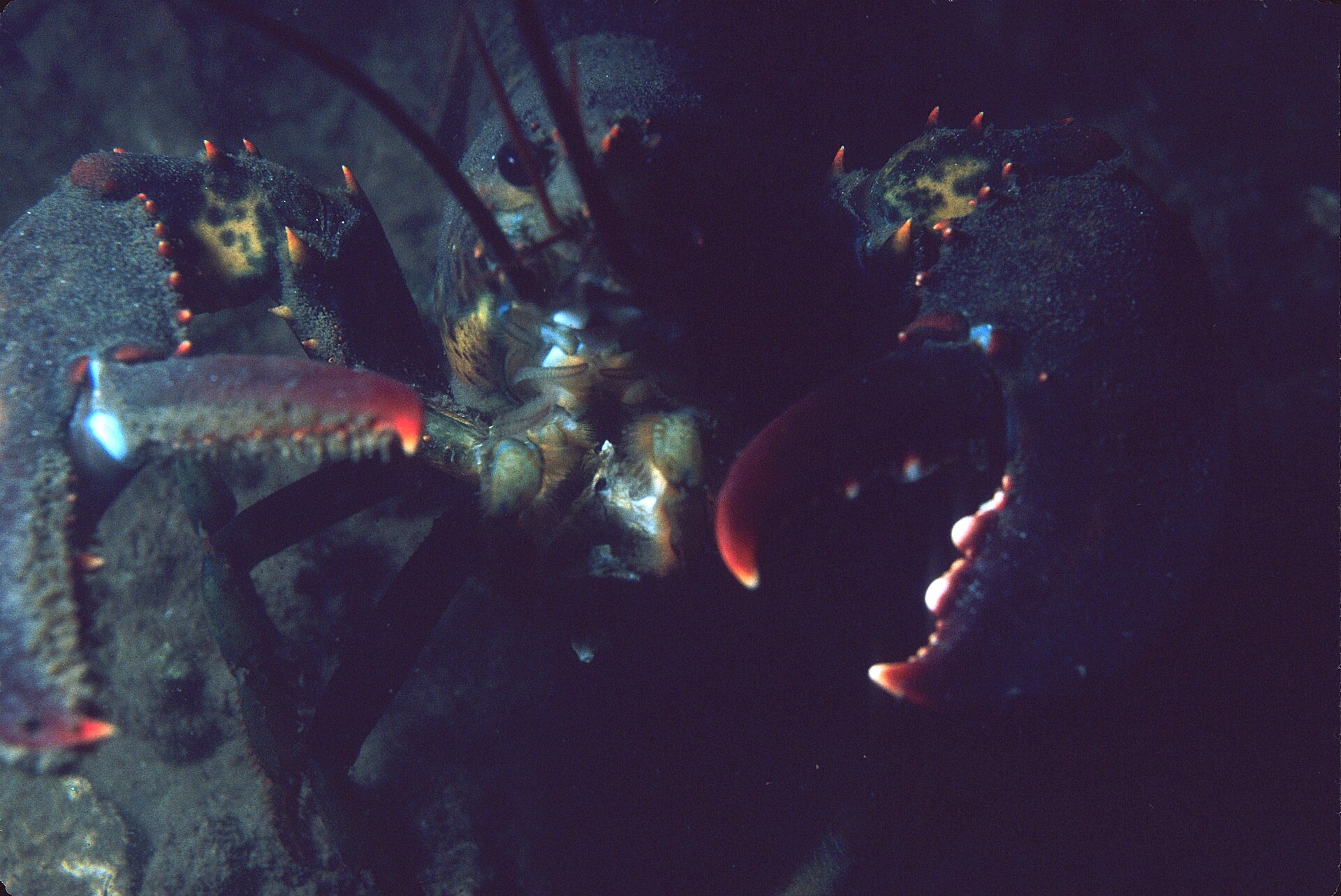
Declines in small, recently settled lobsters preceded declines in larger young lobsters in Maine monitoring surveys, which the research team describes as an early warning for the fishery.
A study in Marine Ecology Progress Series compared six diver, trap and trawl surveys. The researchers found that changes at one life stage were connected with changes at later stages after a delay.
The results varied along the coast. Survey measurements changed little in southwestern Maine, while central and northeastern Maine showed increases followed by declines. The clearest sequence from small lobsters to larger animals appeared in central Maine, according to the research team's Oct. 15 explanation.
The paper distinguishes recently settled lobsters with shells shorter than 45 millimeters from young lobsters with shell lengths of 45 to 83 millimeters. Comparing those groups helps scientists examine whether fewer animals entering the population are followed by fewer animals at later ages and sizes.
It also shows why a single survey cannot give a complete picture. Lobsters move, use different habitats as they grow and can occupy areas that a particular sampling method does not cover. The paper says declines from peak abundance generally appeared first in shallow areas and then in deeper water.
That creates a caution for interpreting the findings: a lower survey count can reflect population change, shifts in where animals live, or both. The authors identify differences in sampling methods and lobster habitat use as obstacles to turning individual survey trends into population-wide estimates.
Robert N. Jarrett II, Kathleen M. Reardon, Robert S. Steneck and Damian C. Brady authored the paper, published Sept. 3. Reardon is a senior lobster fishery scientist with the Maine Department of Marine Resources. The results describe patterns in monitoring records, rather than a prediction of a particular year's catch.